
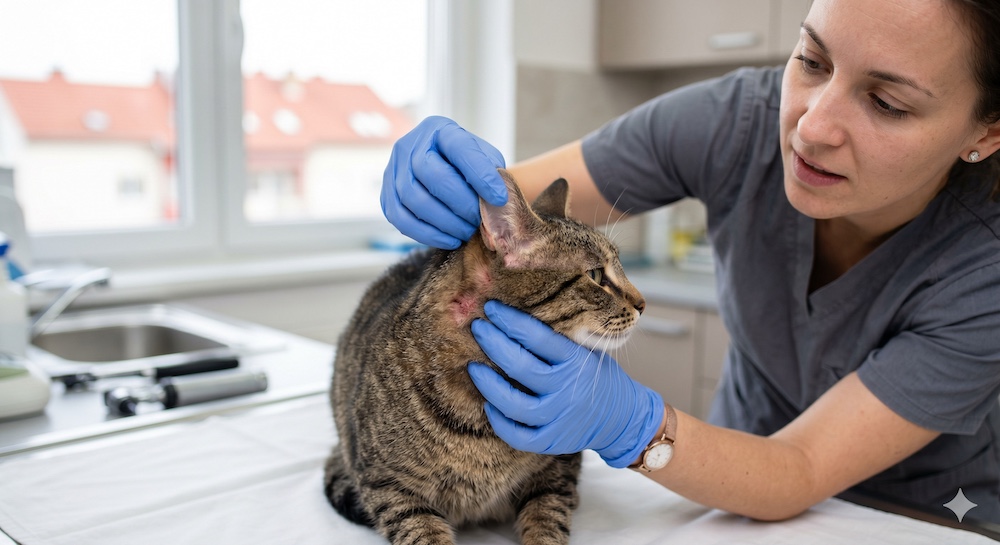
Cat food allergies cause chronic symptoms that persist regardless of medication—including skin itching especially around the head and neck, recurring ear infections, chronic vomiting, and loose stools. The most common feline food allergens are beef, dairy, fish, and chicken—in that order. The only reliable way to diagnose a food allergy is a strict dietary elimination trial lasting 8–12 weeks under veterinary guidance, using a novel protein your cat has never eaten before.
Food allergies in cats are less common than most owners assume—but when they occur, they are frequently misdiagnosed as environmental allergies, skin infections, or gastrointestinal disease. Understanding the difference between a true food allergy, a food intolerance, and other causes of similar symptoms is the first step toward actually solving the problem.
Food allergies exist within the broader context of feline nutrition. Understanding what cats actually need, and what ingredients to look for and avoid, makes the elimination process more effective. Our cat nutrition guide covers label reading, ingredient quality, and the biology behind obligate carnivore nutritional needs.
Table of Contents
Food Allergy vs Food Intolerance: The Key Difference
These two terms are frequently used interchangeably—but they describe different biological processes with different implications.
Food allergy is a true immune-mediated response. The immune system incorrectly identifies a food protein as a threat and mounts an inflammatory response. Symptoms include skin reactions, chronic itching, and gastrointestinal upset. True food allergies develop over time with repeated exposure—a cat can become allergic to a protein they have eaten safely for years.
Food intolerance does not involve the immune system. It is a digestive inability to process certain ingredients—causing gastrointestinal symptoms without the skin component of a true allergy. Lactose intolerance is the most common example in cats.
❔ Why the distinction matters: Both require dietary management, but a true food allergy causes more persistent symptoms, and the elimination diet is more critical for accurate diagnosis.
(🩺 Vet’s Note: “Most of what owners call ‘food allergies’ in cats are actually food intolerances—digestive reactions rather than immune responses. True food allergies are less common but more persistent. The treatment approach is essentially the same—identify and remove the trigger—but the diagnostic rigor required for a true allergy is higher”—LovingPetsGuide Veterinary Advisor.)
How Common Are Cat Food Allergies?
Less common than most people think. Food allergies account for approximately 1–5% of all dermatological cases in cats. Among all itchy cats seen by veterinarians, food allergy is the cause in only about 10–15% of cases.
This matters because many owners spend significant time and money on elimination diets while the actual cause—a flea allergy, an environmental allergen, or a skin infection—goes untreated.
❕ Always rule out other causes first:
- Flea allergy dermatitis (most common cause of skin itching in cats).
- Environmental allergens (dust mites, pollens).
- Parasites (mites, ringworm).
- Bacterial or fungal skin infections.
- Contact allergies (litter, bedding materials).
(💡 Food allergy symptoms in cats concentrate around the head and neck—a pattern distinct from environmental allergies which cause more diffuse itching.)
Symptoms of Cat Food Allergies
Food allergy symptoms fall into two main categories: dermatological and gastrointestinal. The key diagnostic clue is that food allergy symptoms are chronic and non-seasonal—they persist year-round regardless of weather or season.
Dermatological Symptoms
| Chronic itching—especially around the face, head, neck, and ears: This is the most characteristic pattern of feline food allergy. Unlike environmental allergies that cause diffuse itching, food allergies often concentrate symptoms around the head and neck. |
| Recurring ear infections: More than two ear infections per year in a cat with no anatomical predisposition is a red flag— especially when standard treatment provides only temporary relief before the infection returns. |
| Miliary dermatitis: Small, crusty bumps across the skin—often described as feeling like grains of sand under the fur. Can be caused by food allergy, flea allergy, or environmental allergy. |
| Symmetrical alopecia (hair loss): Over-grooming from chronic itching causes symmetrical hair loss, typically along the belly, inner thighs, and flanks. |
| Self-inflicted wounds: Cats with severe itching scratch and bite themselves to the point of creating lesions—particularly around the face, neck, and ears. |
Gastrointestinal Symptoms
| Chronic vomiting: More than once per week in the absence of hairballs or identified illness. Food-allergy vomiting is often soft in character. |
| Chronic loose stools or diarrhea: Persistent soft stools or intermittent diarrhea that does not resolve with standard treatments. |
| Increased frequency of defecation: More than 3 bowel movements per day consistently can indicate intestinal inflammation. |
| Flatulence: Chronic excessive gas often indicates difficulty digesting a specific ingredient. |
The Most Common Cat Food Allergens
The most frequent triggers are not the ingredients most owners suspect.
| Allergen | Frequency | Notes |
|---|---|---|
| Beef | Most common | Found in many mainstream cat foods |
| Dairy | Second most common | Cheese, milk, yogurt |
| Fish | Third most common | Despite being a “cat food staple” |
| Chicken | Fourth most common | Most common first ingredient in cat food |
| Lamb | Less common | Often used as a “novel protein” |
| Wheat / Gluten | Uncommon | Rarely the primary allergen |
| Corn | Uncommon | Rarely allergenic on its own |

The counterintuitive insight: The most commonly eaten proteins are the most common allergens—because food allergies require repeated exposure to develop. A cat that has eaten chicken their entire life is more likely to develop a chicken allergy than a cat occasionally exposed to venison.
What this means for novel protein selection: For most cats that have eaten mainstream commercial food, true novel proteins include: rabbit, venison, duck, kangaroo, or hydrolyzed protein formulas.
The Elimination Diet: The Gold Standard
The dietary elimination trial is the only reliable method for diagnosing a food allergy in cats. Blood tests and skin prick tests for food allergies in cats have very poor accuracy and should not be used as a diagnostic tool.
📰 The unreliability of blood, saliva, and hair-based allergy tests for cats is confirmed by the Purina Institute (purinainstitute.com), which states these testing methods have been shown to be unreliable in dogs and cats and cannot be recommended. Today’s Veterinary Practice similarly confirms the elimination diet trial remains the only validated diagnostic gold standard, a position echoed by board-certified veterinary dermatologists across multiple academic veterinary programs.
Step 1: Choose the Right Elimination Diet
Option 🅰️: Novel Protein Diet: A single, unfamiliar animal protein combined with a single, unfamiliar carbohydrate source.
Requirements:
- The protein must be one your cat has never eaten.
- Single protein source only—no mixed proteins.
- No treats, flavored medications, or flavored supplements during the trial.
Option 🅱️: Hydrolyzed Protein Diet: A veterinary prescription diet where protein molecules are broken down too small to trigger an immune response.
Advantages: does not require a truly novel protein, appropriate for cats with broad dietary histories. Disadvantages: more expensive, some cats refuse the taste.
Critical warning: Over-the-counter “limited ingredient” foods are NOT appropriate for diagnostic elimination diets. Studies show many OTC limited ingredient foods contain undeclared proteins from manufacturing cross-contamination. Only veterinary prescription diets provide the controlled environment needed for a valid diagnosis.
📰 Cross-contamination in commercially available limited-ingredient pet foods is a documented finding in veterinary nutrition literature—published testing of commercial “novel protein” and limited-ingredient diets has repeatedly detected unlisted animal proteins via laboratory analysis, even when a single protein was declared on the label. This is the primary reason veterinary prescription diets, manufactured under stricter quality control, are required for a diagnostically valid elimination trial.
🐾 Prescription Hydrolyzed Cat Food 🐾
🔬 Hydrolyzed Protein Diets (Prescription)—Hill’s z/d, Royal Canin HP, and Purina Pro Plan HA are the most widely prescribed hydrolyzed options for elimination trials. Chewy carries a range—veterinary authorization required at checkout for prescription formulas.
Step 2: Run the Trial — Strictly
For 8–12 weeks:
- Feed ONLY the elimination diet food.
- Zero treats—not even one.
- No flavored medications or supplements.
- No access to other pets’ food.
- No outdoor hunting access if possible.
❗️ The most common reasons elimination trials fail:
- Duration too short (less than 8 weeks).
- Treats given during the trial.
- Flavored medications or flea treatments.
- Other pets’ food accessible.
- Using OTC food instead of veterinary prescription.
Step 3: Assess the Response
After 8–12 weeks:
- Significant improvement (>50% reduction): Confirms dietary involvement. Proceed to Step 4.
- No improvement: Food allergy is unlikely to be the primary cause.
- Partial improvement: May indicate food allergy plus a concurrent cause (environmental allergy).
Step 4: Challenge Testing

Once symptoms resolve, reintroduce original foods one ingredient at a time:
- Introduce one protein for 2 weeks.
- Monitor for symptom return.
- If symptoms return → confirmed allergen.
- Remove that protein, wait for resolution, then test the next ingredient.
(💡 Eight weeks is the minimum—cutting the trial short is the most common reason for a false negative result.)
Managing a Cat With Confirmed Food Allergies
Reading Labels for Hidden Allergens
🔎 Watch for:
- “Poultry” — can include chicken, turkey, duck, or any combination.
- “Fish” — can include any species.
- “Natural flavors” — can contain animal proteins.
- Ingredient splitting: “beef,” “beef broth,” “beef liver” appearing as three separate entries.
Manufacturing cross-contamination: Even foods not listing a specific protein may contain traces from shared production lines. For cats with severe allergies, choose veterinary therapeutic diets or foods produced in dedicated facilities.
Building a Safe Long-Term Diet
After identifying the allergen, find a nutritionally complete diet that avoids the trigger while meeting all requirements. For guidance on ingredient quality and label reading, our wet vs dry cat food guide covers skills that become especially important when managing a food-allergic cat.
🐾 Purina Pro Plan Sensitive Skin & Stomach 🐾
🥗 Purina Pro Plan Sensitive (Salmon formula)—For cats with confirmed sensitivities where salmon is not the allergen. Single named protein, highly digestible formula, AAFCO feeding trial approved. A practical long-term maintenance option after an allergen has been identified and excluded.
Food Allergy vs Environmental Allergy
| Feature | Food Allergy | Environmental Allergy |
|---|---|---|
| Seasonality | Year-round | Often seasonal |
| Age of onset | Any age | Often 1–3 years |
| Response to steroids | Partial | Usually good |
| Primary symptom area | Head, neck, ears | More diffuse |
| GI symptoms alongside skin | Common | Less common |
| Response to elimination diet | Yes | No |
Many cats have both simultaneously. If your cat improves on an elimination diet but does not fully resolve, environmental allergy may be a concurrent cause.
Conclusion: Patience and Precision Win
Food allergy diagnosis requires patience—8–12 weeks is a significant commitment, and strict adherence is non-negotiable. A single treat, a single flavored medication, or a trial cut short by two weeks can invalidate the entire process.
When done correctly, the elimination diet is the most powerful diagnostic tool available for a chronically itchy or chronically sick cat—and a confirmed diagnosis means a genuine, long-term solution.
Key takeaways:
- ✅ Most common allergens: beef, dairy, fish, chicken.
- ✅ Blood tests are unreliable—elimination diet is the gold standard.
- ✅ Trial must last 8–12 weeks minimum.
- ✅ Zero treats or flavored products during the trial.
- ✅ Use veterinary prescription food, not OTC limited ingredient formulas.
- ✅ Non-seasonal, chronic symptoms suggest food allergy.
- ✅ Rule out flea allergy and environmental allergy first.
📝 Editor’s Note: The unreliability of blood and saliva allergy testing was verified against the Purina Institute (purinainstitute.com) and Today’s Veterinary Practice. Elimination diet protocol and duration reflect current veterinary dermatology consensus on diagnostic gold standards for feline adverse food reactions.
🐾 Hill’s Science Diet Sensitive Stomach & Skin 🐾
🔬 Hill’s Science Diet Sensitive (Cat)—Veterinary nutritionist formulated with highly digestible ingredients for long-term management of diagnosed food sensitivities. Clinically proven digestibility, named protein first, no artificial additives—a strong maintenance option once the trigger allergen has been confirmed and excluded.
👉🏼 Cat Nutrition Guide — ingredient quality and label reading for food-allergic cats.
👉🏼 Wet vs Dry Cat Food — choosing the right format for a food-allergic cat.
👉🏼 Best Cat Food for Senior Cats — hypoallergenic and limited ingredient senior formulas.
👉🏼 Why Is My Cat Not Eating — when food refusal overlaps with allergy and aversion.

🐈 Browse cat food, treats, toys, health products, supplements, litter and everything else your cat needs 🐾

🐈 Browse raw cat food, freeze-dried meals, toppers and natural treats from Indiana farms 🐾

🐈 Browse cat food, treats, veterinary diets, supplements and everything else your feline needs 🐾
(This post contains affiliate links. If you purchase through our links, we may earn a small commission at no extra cost to you. This never influences our editorial opinions.)
FAQ: Cat Food Allergies — Your Questions Answered
Can cats develop food allergies to food they have eaten for years?
Yes—this is actually how most food allergies develop. Allergies require repeated exposure to build an immune response. A cat that has eaten chicken for 5 years is more likely to develop a chicken allergy than one occasionally exposed to it. Sudden symptom development in a cat eating the same food is a classic food allergy presentation.
Are grain-free foods better for cats with food allergies?
Not necessarily. Grains are rarely the primary allergen in cats—beef, dairy, fish, and chicken are far more common triggers. Grain-free marketing has led many owners to switch foods without identifying the actual allergen. A grain-free food that still contains chicken will not help a cat with a chicken allergy. Focus on identifying the specific trigger rather than eliminating entire ingredient categories based on marketing.
How accurate are blood tests for cat food allergies?
Current evidence shows that serum allergy tests for food allergies in cats have poor sensitivity and specificity—producing both false positives and false negatives at high rates. The Purina Institute confirms these testing methods have been shown to be unreliable in dogs and cats and cannot be recommended for diagnosis. The dietary elimination trial remains the only validated diagnostic method.
My cat has been scratching for months. How do I know if it’s food or environment?
The most reliable distinguishing feature is seasonality. Environmental allergies are often— though not always—worse during certain seasons. Food allergies persist year-round without seasonal variation. Also consider: does your cat respond well to a short steroid course? Environmental allergies typically respond well; food allergies show only partial improvement. A proper workup with your vet—including ruling out parasites and infections—is the appropriate first step.
Can I use over-the-counter limited ingredient food for the elimination trial?
No. Multiple studies have found that many OTC limited ingredient foods contain undeclared proteins from manufacturing cross-contamination—even when the label lists a single protein. For a diagnostically valid elimination trial, use only a veterinary prescription novel protein or hydrolyzed protein diet from a manufacturer with rigorous quality control.
How do I manage a food-allergic cat long-term?
Once the allergen is confirmed, find a nutritionally complete diet that avoids the trigger. This requires careful label reading—watching for hidden sources of the allergen under multiple names. Many food-allergic cats do well on a single, consistently formulated novel protein food long-term. For cats with multiple or severe allergies, a veterinary prescription hypoallergenic diet fed exclusively is often the safest long-term approach.