
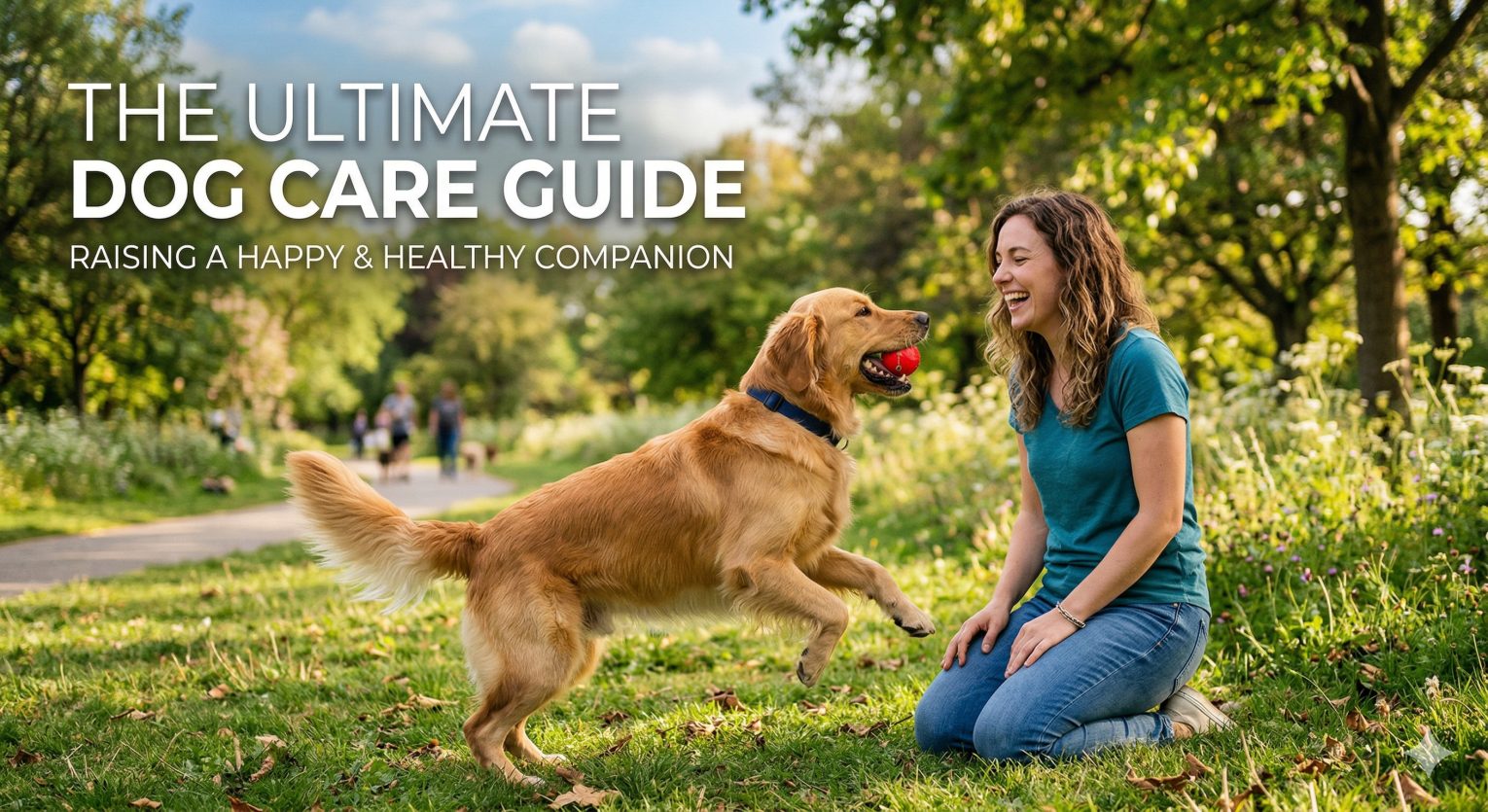
Dogs are more than just pets—they are loyal family members that bring unconditional love into our homes. This dog care guide covers everything a responsible owner needs: from nutritional needs and behavioral patterns to physical well-being and preventive health. Because great dog ownership goes far beyond belly rubs.
At LovingPetsGuide.com, we simplify canine care. Whether you are preparing for your first puppy or caring for a senior dog, our expert-backed guides, training techniques, and product reviews are here to help you every step of the way.
Table of Contents
🐕 Essential Pillars of Dog Ownership
To help you find exactly what you need, we have organized our resources into five key areas:
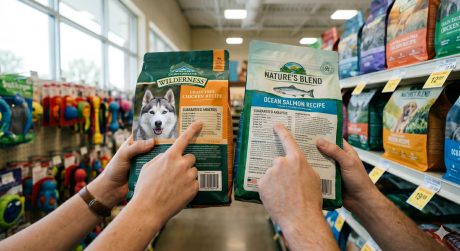
- Nutrition & Feeding — Life-stage diets, decoding kibble labels, and safe human foods.
- Training & Behavior — Mastering puppy basics, positive reinforcement, and correcting stubborn habits.
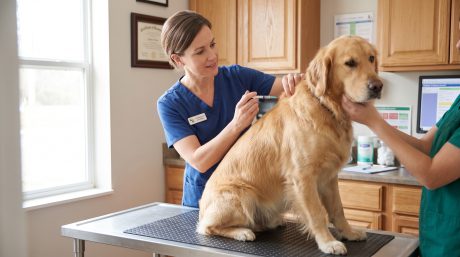
- Health & Wellness — Preventive veterinary care, core vaccinations, and spotting hidden illnesses.
- Grooming & Hygiene — Stress-free bathing, breed-specific coat care, and safe nail trimming.
- Best Dog Gear — Honest reviews of indestructible toys, orthopedic beds, and walking harnesses.
🍲 Dog Feeding & Nutrition: Fueling Longevity
What goes into your dog’s bowl directly impacts their energy level, coat quality, and lifespan. Nutrition isn’t “one size fits all”—a Great Dane has vastly different needs than a Pomeranian. Learning proper feeding habits can prevent many common health problems such as obesity, digestive issues, and nutrient deficiencies.
Recommended Feeding Guides
- Dog Nutrition Guide: How to feed your dog for a long and healthy life.
- Dog Feeding Schedule by Age: How often should you feed puppies vs seniors?
- The Best Dog Food for Sensitive Stomachs: Expert picks for digestive health.
- Human Foods Dogs Can and Can’t Eat: A safety checklist for every kitchen.
- Kibble vs Fresh Dog Food: Which is better for your dog’s dental and renal health?
🐕 Latest Dog Nutrition & Feeding Guides
- Best Dog Food Brands: Vet-Reviewed Picks for Every Dog and Budget
 The best dog food brands consistently recommended by veterinary nutritionists are Purina Pro Plan, Hill’s Science Diet, and…
 - How to Evaluate Dog Food Brands: The WSAVA Checklist ExplainedEvaluating dog food brands comes down to five questions recommended by the World Small Animal Veterinary Association (WSAVA):…
- Best Dog Food by Breed Size: What Small, Medium, and Large Breeds Actually NeedThe best dog food by breed size differs because small, medium, large, and giant breeds have genuinely different…


🥎 Canine Training & Positive Behavior
A well-trained dog is a confident dog. Training is not about “dominance”—it’s about establishing a common language. Using positive reinforcement, you can solve common issues like excessive barking or leash pulling while strengthening your mutual bond. Basic training should start early, especially during puppyhood when dogs are most receptive to learning new behaviors.
Top Training Resources & Techniques
- Puppy Training 101: The first 7 days at home.
- Dog Training Guide: Sit, Stay, Come, Drop It, Leave It, Heel, and Place.
- How to Stop Destructive Chewing: Understanding and redirecting the behavior.
- Potty Train a Puppy Fast: Building a reliable routine without the stress.
🐕 Latest Dog Training & Behavior Guides
- Dog Training by Breed Type: Why One Approach Doesn’t Fit AllDog training by breed type works because different breeds were developed for different purposes—and those purposes are still…
- How to Stop a Dog from Chewing Everything: A Complete GuideTo stop a dog from chewing everything, you need to do three things at once: manage the environment…
- How to Crate Train a Puppy: Step-by-Step From Day OneCrate training a puppy starts with one principle: the crate must always be a positive, safe space— never…



🩺 Health & Wellness: Preventive Care
Recognizing early warning signs can save lives. From vaccination schedules to parasite prevention (fleas, ticks, and heartworm), staying proactive is the key to avoiding expensive vet bills and ensuring your dog thrives. Understanding your dog’s health needs can significantly improve their quality of life and help them live longer and happier lives.
Vital Health Guides for Every Life Stage
- Common Dog Health Problems: Symptoms you should never ignore.
- The Ultimate Dog Vaccination Schedule: Stay protected year-round.
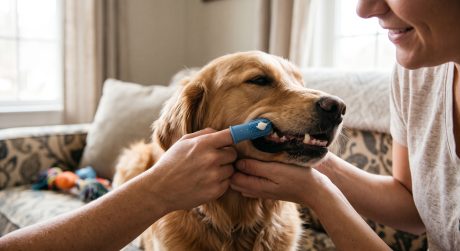
- Dental Care for Dogs: Why brushing their teeth is mandatory.
- [Weight Management]: How to tell if your dog is overweight and how to fix it.
🐕 Latest Dog Health & Wellness Guides
- Dog Dental Care: Why Brushing Beats Every AlternativeMore than two-thirds of dogs over three years old have some degree of periodontal disease—making it the most…
- Dog Vaccination Schedule: What Your Dog Needs and WhenCore vaccines—distemper, parvovirus, adenovirus, and rabies—are recommended for every dog regardless of lifestyle, with adult boosters typically needed…
- Dog Health Symptoms: What to Watch For and When to ActDog health symptoms fall into three urgency levels: emergency signs requiring immediate care (difficulty breathing, collapse, a visibly…
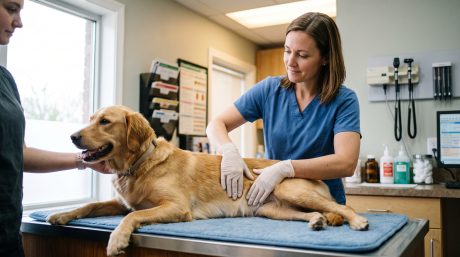
🪮 Grooming & Hygiene Essentials
Grooming is more than just making your dog look good—it’s a health check. Regular brushing and bathing prevent skin infections and allow you to spot lumps or parasites early. Grooming routines can vary depending on breed, coat type, and lifestyle, but having the right tools makes grooming easier and safer.
Step-by-Step Grooming Tutorials
- [How to Groom Your Dog at Home]: A step-by-step beginner’s guide.
- [Best Brushes for Different Coat Types]: From Double Coats to Poodles.
- [Nail Trimming Without the Stress]: Tips for anxious dogs.
🐕 Latest Dog Grooming & Hygiene Guides
- Dog Dental Care: Why Brushing Beats Every AlternativeMore than two-thirds of dogs over three years old have some degree of periodontal disease—making it the most…
✅ How-To: The 5-Minute Daily Dog Health Check
Catching health issues early is the secret to canine longevity. Perform this quick, 5-minute physical exam on your dog every evening:
Total Time: 5 minutes
Check the Ears
Look for redness, bad odor, or excessive dark wax.
Examine the Eyes
Ensure they are bright, clear, and free from unusual discharge.
Inspect the Teeth & Gums
Gums should be a healthy pink (not white or bright red), and teeth should be free of heavy tartar buildup.
Feel the Body
Gently run your hands over their ribs, spine, and belly to check for new lumps, bumps, or reactions to pain.
Check the Paws
Look between the toes for grass seeds, ticks, or cracked paw pads.
(📖 Pro Tip: If you notice anything unusual during your daily check, consult our Dog Health & Wellness guides, but always contact your veterinarian for a professional diagnosis.)
🐶 Best Dog Products & Gear Reviews
Choosing the right products can greatly improve your dog’s comfort, safety, and overall quality of life. We test and research hundreds of products so you don’t have to. From indestructible chew toys to the most comfortable beds, our recommendations are based on safety, durability, and value for money.
Top-Rated Dog Gear (2026)
- [Top 10 Best Indestructible Dog Toys for Heavy Chewers (2026)]
- [Best No-Pull Harnesses for Easy Walking]
- [Review: The Best Smart Pet Cameras to Watch Your Dog]
- [Orthopedic Dog Beds: Our Top Picks for Senior Dogs]
❓ Frequently Asked Questions About Dog Care
What is the most important part of dog care?
Providing a balanced diet, consistent positive reinforcement training, regular veterinary check-ups, and plenty of physical and mental exercise are the core pillars of raising a healthy dog.
How often should I take my dog to the vet?
Adult dogs should visit the vet at least once a year for a general check-up and vaccinations. Puppies and senior dogs require more frequent visits to monitor their development and aging process.
Can I train an older dog?
Absolutely! The phrase “you can’t teach an old dog new tricks” is a myth. While it may require more patience, older dogs can successfully learn new commands and behaviors using positive reinforcement.
How much exercise does a dog need per day?
Most adult dogs need 30–60 minutes of physical exercise daily, depending on breed and age. High-energy breeds like Border Collies or Huskies need significantly more. Mental stimulation through training counts too.
What should I feed my dog every day?
A high-quality, AAFCO-approved commercial dog food appropriate for your dog’s life stage is the safest daily choice. Look for a named animal protein as the first ingredient and avoid artificial preservatives and fillers.
How do I know if my dog is sick?
Key warning signs include loss of appetite lasting more than 24 hours, lethargy, vomiting more than twice in a day, blood in stool or urine, excessive thirst, or sudden behavioral changes. When in doubt, contact your vet.
❤️ Why Trust LovingPetsGuide’s Canine Experts
The world of dog care is constantly evolving—from new research in canine nutrition to advanced positive reinforcement training techniques. At LovingPetsGuide, we don’t just summarize information, we provide deep-dive insights based on years of hands-on experience with various breeds and sizes.
Our dog care guides are cross-checked against current AAFCO nutritional standards (aafco.org), WSAVA feeding guidelines (wsava.org), and AVSAB behavior and training recommendations (asvab.org/resources/position-statements). We update our content whenever veterinary consensus changes — because your dog deserves advice that’s current, not outdated.

🐕 Browse dog food, treats, toys, health products, supplements, grooming and everything else your dog needs 🐾

🐕 Browse raw dog food, freeze-dried meals, chews, bones and natural treats from Indiana farms 🐾

🐕 Browse science-backed dry dog food, wet food, breed-specific formulas, and veterinary diets for your canin 🐾
(This post contains affiliate links. If you purchase through our links, we may earn a small commission at no extra cost to you. This never influences our editorial opinions.)