
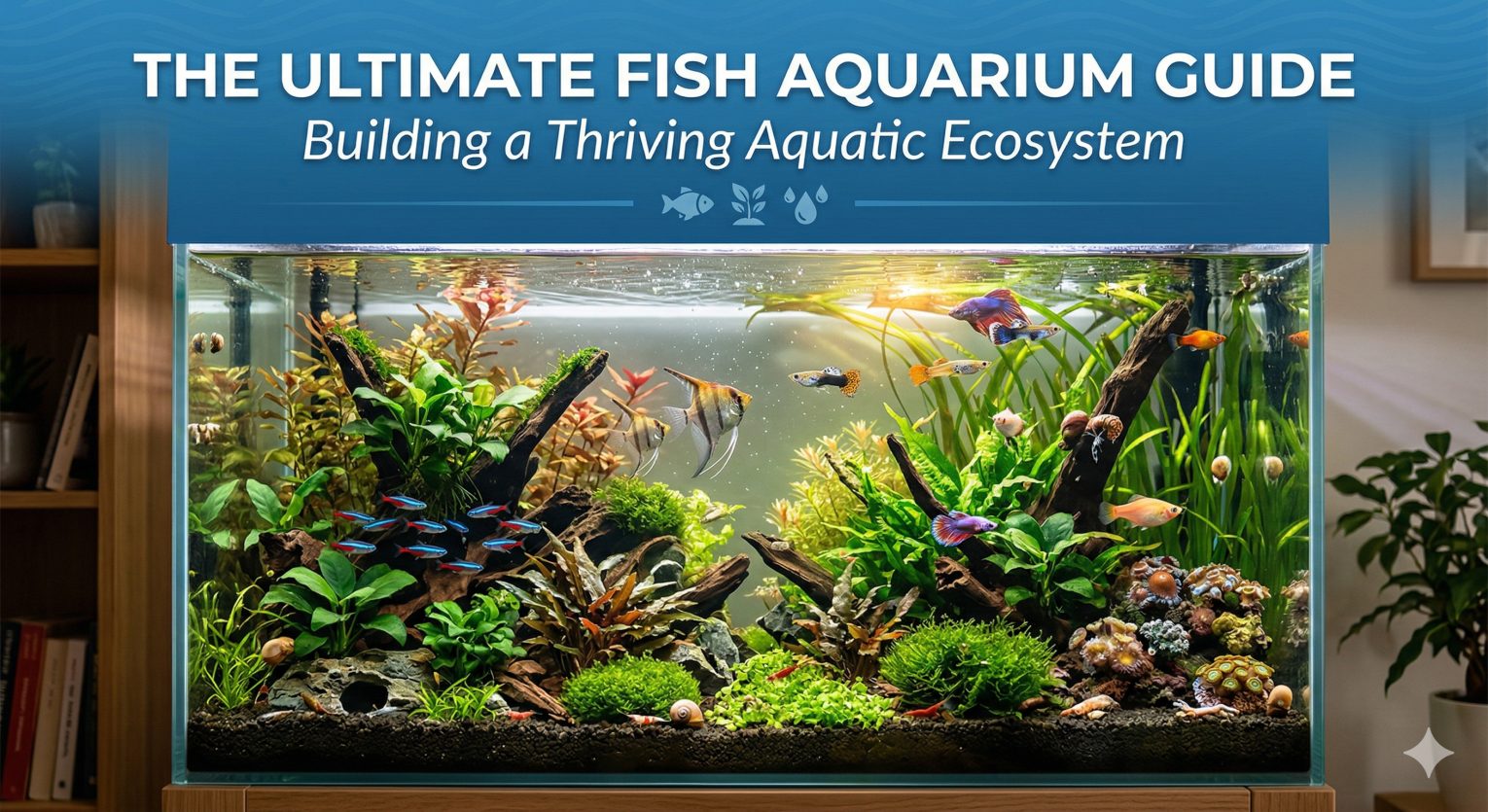
This fish care guide covers everything the art of aquarium keeping demands—from mastering the nitrogen cycle to selecting compatible tank mates. A well-maintained aquarium is a source of relaxation and beauty, but the secret to success lies entirely in water chemistry. Every detail matters for the health of your aquatic residents.
At LovingPetsGuide.com, we bridge the gap between “keeping fish” and “thriving aquaria.” Our guides provide clear, actionable advice on tank chemistry, equipment selection, and species-specific care to help you avoid common beginner mistakes and build a stunning underwater world.
Table of Contents
🐠 Foundations of a Healthy Aquarium
Our fish care resources are organized into six core areas to help you build a healthy, stable aquarium:
- Setup & Cycling — The step-by-step guide to the Nitrogen Cycle for beginners.
- Diet & Nutrition — Best practices for tropical flakes, sinking pellets, and live foods.
- Species & Tank Mates — Choosing the right community fish and avoiding aggressive pairings.
- Water Quality — Understanding pH, ammonia, nitrates, and algae control.
- Health & Diseases — Identifying and treating Ich, fin rot, and setting up quarantine tanks.
- Best Fish Aquarium Gear — Whisper-quiet canister filters, reliable heaters, and LED lights.
🪸 Aquarium Setup: Beyond the Glass Box
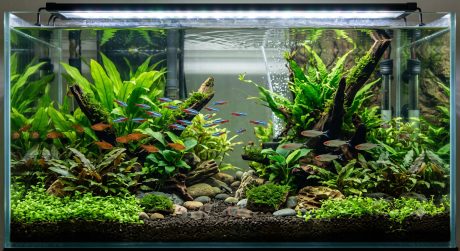
The biggest mistake beginners make is adding fish to a “new” tank too soon. Understanding the Nitrogen Cycle is the difference between a thriving tank and a disaster. Whether you are interested in a peaceful community tank or a high-tech planted scape, the right start is everything. A well-planned aquarium setup helps reduce stress for fish and prevents many common problems.
Essential Setup Guides
- How to Cycle Your Aquarium: A step-by-step guide to the Nitrogen Cycle.
- [Freshwater vs Saltwater]: Which is right for your lifestyle?
- [Choosing the Right Tank Size]: Why “bigger is often easier” for beginners.
- [Substrate & Hardscape]: Creating a natural environment for your fish.
🐠 Latest Fish Aquarium Setup & Cycling Guides
- The Complete Freshwater Aquarium Guide: Setup, Fish, and Water Care
 A healthy freshwater aquarium depends on getting four things right, in order: completing the nitrogen cycle before adding…
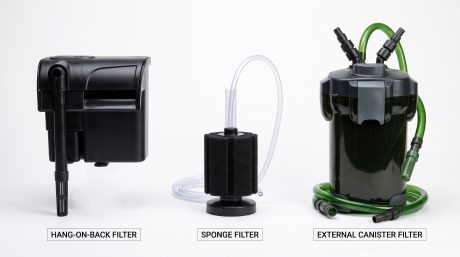
 - Choosing an Aquarium Filter: HOB vs Sponge vs CanisterHang-on-back (HOB) filters are the default choice for most community tanks up to 50 gal (190 L)—easy to…
- The Nitrogen Cycle: Why Every New Aquarium Needs to Cycle FirstThe nitrogen cycle is the biological process that converts toxic fish waste into progressively less harmful compounds: ammonia…
🫙 Fish Feeding & Nutrition: Vitality in Every Bite
Proper feeding habits help maintain both fish health and water quality. Overfeeding is the leading cause of tank pollution. Different fish require different feeding strategies — surface feeders need flakes, while bottom-dwellers require sinking pellets. A varied diet of high-quality dry, frozen, and live foods ensures optimal growth and immune health.
Nutrition & Feeding Guides
- [The Best Food for Tropical Fish]: Pellets vs Flakes vs Frozen.
- [How Often Should You Feed]? Preventing ammonia spikes from leftovers.
- [Feeding Goldfish vs Tropical Fish]: Understanding dietary differences.
- [Vacation Feeding]: How to keep your fish fed while you’re away.
🐡 Species & Tank Mates: Building a Peaceful Community
Not all fish get along. Putting an aggressive cichlid in a tank with slow-moving guppies is a recipe for disaster. Building a successful community aquarium requires understanding the temperament, swimming levels (top, middle, bottom), and water parameter needs of every single species before you buy them.
Species Compatibility Guides
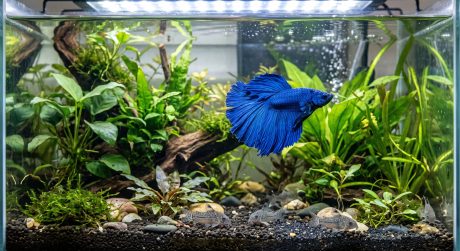
- The Best Tank Mates for Betta Fish: Safe choices for peaceful cohabitation.
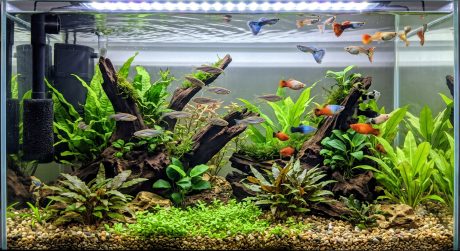
- Top 10 Fish for a Peaceful Community Tank: Tetras, Rasboras, and Corydoras.
- [Understanding Cichlid Aggression]: How to set up an African Cichlid tank.
- [The Best Algae Eaters]: Plecos vs Snails vs Shrimp.
🐠 Latest Fish Species & Tank Mates Guides
- The Complete Freshwater Aquarium Guide: Setup, Fish, and Water CareA healthy freshwater aquarium depends on getting four things right, in order: completing the nitrogen cycle before adding…
- Can Bettas Live With Other Fish? The Best (and Worst) Tank MatesBetta fish can live with the right tank mates in a tank of at least 10 gallons (38…
- 10 Best Beginner Fish for Your First Community AquariumThe best beginner fish combine hardiness, peaceful temperament, and easy availability: zebra danios, guppies, platies, cherry barbs, and…
💧 Water Quality: The Science of “Liquid Gold”
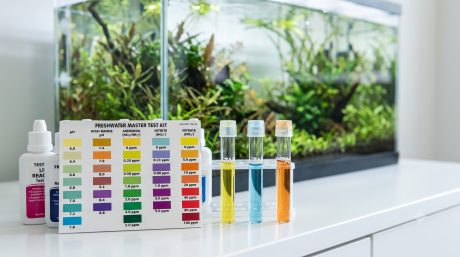
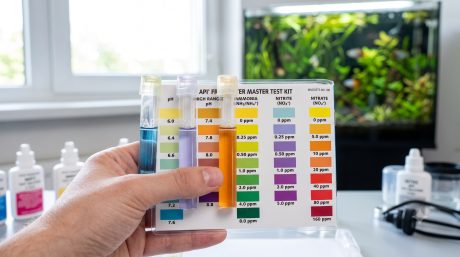
In an aquarium, the water is their air. Monitoring pH, Ammonia, Nitrites, and Nitrates is non-negotiable. Regular maintenance doesn’t have to be a chore if you have a solid routine and the right filtration system in place. Understanding how to maintain stable water parameters is essential for keeping fish healthy and active.
Maintenance & Water Chemistry
- Understanding Water Parameters: What the numbers actually mean.
- [Water Change Guide]: How much and how often?
- [Best Filter Types Explained]: HOB, Sponge, and Canister filters.
- [How to Combat Algae Blooms]: Identifying the root cause.
🐠 Latest Fish Aquarium Water Quality Guides
- The Complete Freshwater Aquarium Guide: Setup, Fish, and Water CareA healthy freshwater aquarium depends on getting four things right, in order: completing the nitrogen cycle before adding…
- Aquarium Water Quality Explained: What to Test and What the Numbers MeanIn a healthy, established freshwater aquarium, ammonia and nitrite should both read 0 ppm at all times—any detectable…
🩺 Fish Health: Identifying & Treating Diseases
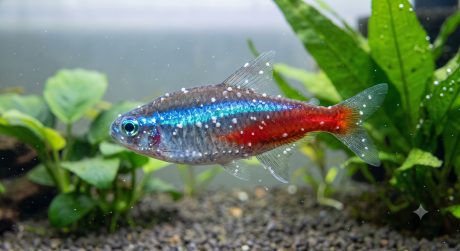
Fish are sensitive to stress, which is often the precursor to disease. From Ich (white spot) to Fin Rot, early diagnosis and a dedicated quarantine protocol can save your entire tank population from a “crash.” Learning to recognize early symptoms helps ensure fish receive proper care.
Health & Troubleshooting Guides
- [Common Freshwater Fish Diseases]: Symptoms and safe treatments.
- [Why Is My Fish Hiding]? Stress triggers and how to fix them.
- [The Importance of a Quarantine Tank]: Preventing outbreaks.
- [Recognizing “Dropsy” and Swim Bladder Issues]: Internal health warning signs.
🐠 Latest Fish Health & Diseases Guides
- The Complete Freshwater Aquarium Guide: Setup, Fish, and Water CareA healthy freshwater aquarium depends on getting four things right, in order: completing the nitrogen cycle before adding…
- Ich in Fish: How to Spot It Early and Treat It CorrectlyIch (white spot disease) appears as small white spots resembling grains of salt scattered across a fish’s body…
✅ How-To: The 5-Minute Daily Aquarium Health Check
Aquarium disasters happen quickly. Build the habit of performing this simple, 5-minute visual check every single day when you feed your fish:
Total Time: 5 minutes
Count the Fish
Do a quick headcount. Ensure everyone is present and swimming normally. Hiding at the bottom or lingering near the filter intake are warning signs.
Check the Breathing
Look at their gills. Are they gasping at the surface? This indicates low oxygen or an ammonia spike.
Inspect the Equipment
Look at the thermometer to verify the temperature is stable. Check that the filter water flow is strong and the intake isn’t clogged with plant debris.
Observe the Feeding
Healthy fish eat aggressively. Take note of any fish that ignores food, spits it out, or gets bullied away from the feeding ring.
Check the Glass and Substrate
Look for sudden algae explosions on the glass or excessive uneaten food rotting on the bottom, which ruins water quality.
(📖 Pro Tip: If you notice gasping fish, cloudy water, or sudden deaths, test your water parameters immediately before doing anything else. These are classic signs of an ammonia spike. An emergency 40–50% water change with dechlorinated water at the correct temperature is often the fastest fix. For persistent issues, consult our Water Quality guides for a full diagnosis.)
🐟 Recommended Aquarium Equipment
Aquarium technology has evolved rapidly. We review the most reliable heaters (to prevent “cook-outs”), the quietest air pumps, and the most efficient LED lighting systems that help your plants grow and your fish’s colors pop. Choosing quality aquarium products helps create a safe and comfortable habitat for fish.
Top-Rated Fish Keeping Gear (2026)
- [Best Aquarium Filters for 20-Gallon & 50-Gallon Tanks]
- [Reliable Aquarium Heaters: Top Picks for Stability & Safety]
- [Best Water Testing Kits: Why Strips Aren’t Always Enough]
- [Review: Automatic Fish Feeders for Worry-Free Travel]
❓ Frequently Asked Questions About Fish Care
Why is my aquarium water cloudy?
Cloudy water in a new tank is usually a “bacterial bloom”, which is a normal part of the cycling process and will clear up on its own. In established tanks, it can be caused by overfeeding, poor filtration, or a sudden spike in ammonia.
How long does it take to cycle a fish tank?
A proper “fishless cycle” typically takes anywhere from 4 to 6 weeks. It is complete only when your water testing kit shows 0 Ammonia, 0 Nitrites, and a low level of Nitrates.
Can Bettas live with other fish?
Yes, but it requires careful planning. Male Bettas are territorial, but they can often be housed with peaceful, fast-moving, or bottom-dwelling fish like Corydoras catfish or Harlequin Rasboras in tanks larger than 10 gallons.
How often should I do water changes?
For most freshwater tanks, a weekly water change of 20–30% is the standard recommendation. The exact amount depends on your stocking level, feeding habits, and filtration capacity. Always use a dechlorinator when adding tap water, and match the temperature of the new water to the tank water to avoid shocking your fish.
What is the minimum tank size for beginners?
A 20-gallon tank is the most forgiving starting point for beginners. Smaller tanks like 5 or 10 gallons have less stable water parameters and require more frequent maintenance. Contrary to popular belief, larger tanks are often easier to manage than small ones because water chemistry stays more stable.
❤️ Why Trust LovingPetsGuide’s Aquatic Advice
Our aquarium guides follow “Biology First” principles — every recommendation is grounded in the nitrogen cycle, natural fish behavior, and water chemistry science. We consult resources from the American Fisheries Society (fisheries.org) and peer-reviewed aquatic biology research to ensure our advice reflects modern best practices. We actively challenge myths like “fish bowls are fine for goldfish” and “bettas can live in cups” — because every aquatic animal deserves a properly maintained ecosystem.

🐠 Browse fish fish food, tanks, filters, heaters, decor and everything else your aquarium needs 🐾
(This post contains affiliate links. If you purchase through our links, we may earn a small commission at no extra cost to you. This never influences our editorial opinions.)