

Cats are fascinating, independent, and deeply affectionate companions. This cat care guide covers everything their unique biology demands—from strict nutritional needs as obligate carnivores to instinctual behavioral patterns. Because understanding your feline friend is the real key to a harmonious home.
At LovingPetsGuide.com, we dive deep into the world of cats. Whether you are welcoming a tiny kitten or managing the health of a senior cat, our comprehensive guides offer science-based advice and practical tips to ensure your cat thrives.
Table of Contents
🐈 Essential Pillars of Modern Cat Ownership
To provide your cat with a fulfilling life, we have categorized our expert resources into five essential pillars:
- Nutrition & Feeding — Balancing wet vs dry food and mastering feline weight management.
- Behavior & Training — Decoding tail language, litter box habits, and stopping furniture scratching.
- Health & Wellness — Essential dental care, hidden pain signs, and preventing common diseases.
- Grooming & Hygiene — Brushing long-haired cats, managing shedding, and safe claw trimming.
- Best Cat Gear — Top-rated automatic litter boxes, modern cat trees, and interactive toys.
🍲 Feline Feeding & Nutrition: The Carnivore’s Diet
Unlike dogs, cats are obligate carnivores, meaning they require specific nutrients like taurine found only in animal proteins. Proper hydration and portion control are critical to preventing common feline issues like kidney disease and obesity. Feeding routines may vary depending on your cat’s age, activity level, and overall health.
Essential Feeding Guides
- The Complete Guide to Cat Nutrition: What every cat owner must know.
- Wet vs Dry Cat Food: Which is better for your cat’s hydration?
- [Best Cat Food for Indoor Cats]: Managing calories for a sedentary lifestyle.
- Kitten Feeding Schedule: Supporting rapid growth in the first year.
- [Dangerous Foods for Cats]: What to keep out of reach in your kitchen.
🐈 Latest Cat Nutrition & Feeding Guides
- Best Cat Food by Breed: What Your Cat’s Genetics Actually Require
 The best cat food by breed depends on three factors: body size, genetic health predispositions, and physical structure.…
 - Best Cat Food Brands: Vet-Reviewed Picks Ranked by ScienceThe best cat food brands are Purina Pro Plan, Hill’s Science Diet, Royal Canin, and Iams—all of which…
- How to Evaluate Cat Food Brands: The WSAVA Checklist for Cat OwnersEvaluating cat food brands comes down to five questions recommended by the World Small Animal Veterinary Association (WSAVA):…



🧶 Cat Behavior & Training: Decoding Your Pet’s Mind
Cats aren’t “untrainable” — they simply learn differently. By understanding feline body language and providing the right environmental enrichment, you can prevent furniture scratching and strengthen your bond through play and positive reinforcement. Learning to recognize these signals can strengthen the bond between you and your cat.
Behavior & Training Resources
- The Complete Guide to Cat Behavior & Training: Understanding your feline.
- Why Cats Scratch Furniture: And how to redirect them to posts.
- Litter Box Training Troubleshooting: Solving common avoidance issues.
- Understanding Cat Body Language: What is your cat’s tail telling you?
- How to Stop Biting and Aggression: Stress-free correction techniques.
🐈 Latest Cat Behavior & Training Guides
- Cat Training Guide: The Complete Resource for Every Cat OwnerCat training works through positive reinforcement — a precise marker, an immediate high-value reward, and sessions short enough…
- Can You Train a Cat? A Beginner’s Guide to Clicker TrainingYes, you can absolutely train a cat — and cats that receive regular training sessions are measurably calmer,…
- How to Introduce a New Cat to Your Home: The Complete Step-by-Step GuideIntroducing a new cat to your home safely requires a minimum of 2–3 weeks using the safe room…



🩺 Health & Wellness: A Proactive Approach
Cats are masters at hiding pain. Being a proactive owner means recognizing subtle shifts in behavior and maintaining a strict schedule for vaccinations and parasite prevention. Regular dental care and weight checks are the cornerstones of feline longevity. Recognizing early symptoms of illness can help ensure that your cat receives prompt treatment and continues to live a healthy life.
Critical Health Guides
- [7 Signs Your Cat May Be Sick]: Subtle symptoms you shouldn’t ignore.
- [Cat Vaccination Schedule]: Protecting your cat from common viruses.
- [Preventing Hairballs & Digestive Issues]: Natural remedies and diets.
- [Kidney Health in Senior Cats]: Early detection and management tips.
🐈 Latest Cat Health & Wellness Guides
- Cat Food Allergies: How to Identify the Trigger and Fix the ProblemCat food allergies cause chronic symptoms that persist regardless of medication—including skin itching especially around the head and…
🪮 Grooming & Hygiene: Professional Care at Home
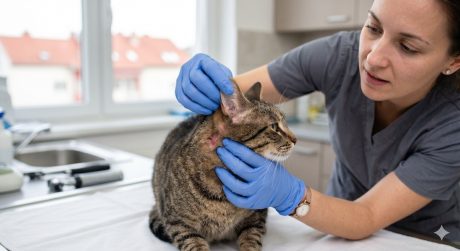
While cats are famous for self-grooming, they still need our help to stay in peak condition. Regular brushing reduces shedding and hairballs, while nail trimming and ear cleaning prevent infections and discomfort. Maintaining a consistent grooming routine keeps your cat comfortable and helps detect potential health issues early.
Step-by-Step Grooming Tutorials
- [How to Groom a Cat Without Getting Scratched]: A stress-free guide.
- [The Best Brushes for Long-Haired vs Short-Haired Cats].
- [Safe Nail Trimming]: Tools and techniques for anxious cats.
✅ How-To: The 5-Minute Daily Cat Health Check
Catching health issues early is the secret to feline longevity. Perform this quick, 5-minute physical exam on your cat every evening:
Total Time: 5 minutes
Check the Coat and Skin
Look for flea dirt, unusual dandruff, or hidden lumps while gently petting them.
Examine the Eyes and Nose
Ensure they are clear, bright, and completely free from discharge or excessive crustiness.
Inspect the Ears
Peek inside for dark, coffee-ground-like buildup (a common sign of ear mites) or redness.
Check the Teeth and Gums
Gently lift the lip to ensure gums are a healthy pink and there is no foul breath, which indicates dental disease.
Feel the Body
Gently run your hands along their sides and belly to ensure they haven’t lost or gained weight rapidly and don’t react in pain.
(📖 Pro Tip: If you notice anything unusual during your daily check, consult our Cat Health & Wellness guides, but always contact your veterinarian for a professional diagnosis.)
🐱 Best Cat Products & Gear
The right environment can transform a bored cat into a thriving one. We review the latest cat technology and essentials, focusing on durability, feline-safe materials, and ease of cleaning for the owner.
Top-Rated Cat Gear (2026)
- [Top 5 Automatic Litter Boxes: Is the Investment Worth It? (2026)]
- [Best Modern Cat Trees for Small Apartments]
- [The Most Durable Cat Scratching Posts for Heavy Scratchers]
- [Review: Best Interactive Toys to Keep Your Cat Busy While You’re Out]
❓ Frequently Asked Questions About Cat Care
Do indoor cats really need vaccinations?
Yes. Even indoor cats can be exposed to viruses carried inside on your shoes or clothing, or if they accidentally escape. Core vaccines are essential for all cats.
How often should I feed my adult cat?
Most adult cats thrive on two main meals a day (usually morning and evening). However, portion control is crucial to prevent obesity, especially for less active indoor cats.
Can you actually train a cat?
Absolutely! While they don’t respond to training exactly like dogs, cats are highly intelligent and respond excellently to clicker training and positive reinforcement with high-value treats.
How do I know if my cat is in pain?
Cats instinctively hide pain. Watch for changes in grooming habits, reduced appetite, hiding more than usual, reluctance to jump, altered facial expression (squinting, flat ears), or changes in litter box behavior. Any sudden behavioral shift warrants a vet visit.
Should cats eat wet or dry food?
Ideally both. Wet food provides crucial hydration since cats have a low thirst drive and are prone to kidney disease. Dry food supports dental health through its crunchy texture. A combination of 50–70% wet food and 30–50% dry food works well for most adult cats.
How much exercise does an indoor cat need?
Indoor cats need at least 20–30 minutes of active play daily to prevent obesity, boredom, and behavioral issues. Interactive wand toys, puzzle feeders, and cat trees all count toward their daily activity quota.
❤️ Why Trust LovingPetsGuide’s Feline Experts
Our cat care guides are built on current feline veterinary standards, including AAFCO nutritional requirements for cats (aafco.org), WSAVA feeding guidelines (wsava.org), and clinical feline nutrition research from the Cornell Feline Health Center (vet.cornell.edu/departments-centers-and-institutes/cornell-feline-health-center). We update our content whenever feline medicine consensus changes — because your cat deserves advice that’s current, not five years out of date.

🐈 Browse cat food, treats, toys, health products, supplements, litter and everything else your cat needs 🐾

🐈 Browse raw cat food, freeze-dried meals, toppers and natural treats from Indiana farms 🐾

🐈 Browse cat food, treats, veterinary diets, supplements and everything else your feline needs 🐾
(This post contains affiliate links. If you purchase through our links, we may earn a small commission at no extra cost to you. This never influences our editorial opinions.)