
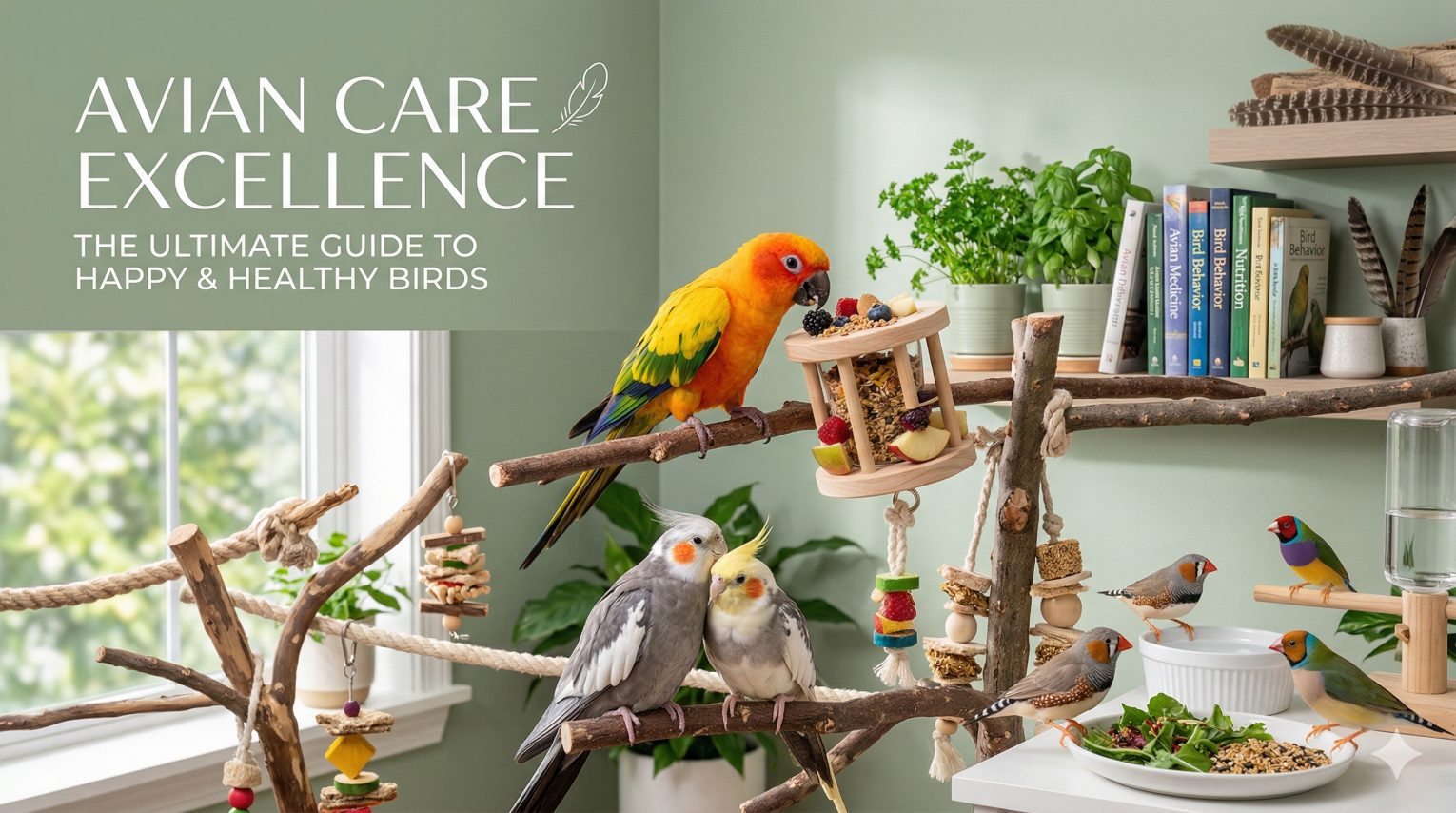
This bird care guide covers everything the specialized world of avian keeping demands—from the delicate respiratory systems of canaries to the complex emotional needs of large parrots. Pet birds are remarkably intelligent, vibrant companions, and mastering their care requires a meticulously maintained environment to help them truly thrive.
At LovingPetsGuide.com, we provide bird owners with science-based insights into avian nutrition, habitat engineering, and behavioral health. Whether you are a first-time budgie owner or an experienced parrot enthusiast, our guides help you master the art of bird keeping.
Table of Contents
🦜 Mastering the Art of Bird Keeping
To help you find exactly what you need, we’ve organized our avian resources into six key categories:
- Diet & Nutrition — Transitioning to formulated pellets, daily chop, and avoiding toxic foods.
- Habitat & Setup — Proper bar spacing, safe flight zones, and natural wood perches.
- Health & Wellness — Spotting subtle illness signs, respiratory safety, and understanding avian biology.
- Behavior & Training — Positive target training, managing hormones, and preventing boredom.
- Grooming & Hygiene — Safe nail/beak trimming, daily misting routines, and feather care.
- Best Bird Gear — Full-spectrum lighting, durable foraging toys, and heavy-metal-free cages.
🌾 Bird Feeding & Diet: Fueling Flight and Feathers
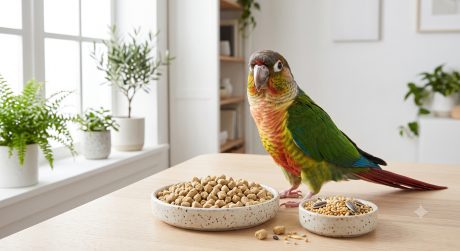
A common mistake in bird care is relying solely on seeds, which can lead to fatty liver disease and vitamin deficiencies. A modern avian diet should be a diverse mix of high-quality pellets, fresh vegetables (chop), and limited fruits, tailored to your bird’s specific species and metabolic needs. Providing a varied and balanced diet is one of the most important parts of responsible bird care.
Essential Avian Feeding Guides
- Why Seeds Aren’t Enough: The importance of pellet-based diets.
- Safe Fruits & Vegetables for Birds: An owner’s daily feeding checklist.
- [Toxic Foods to Avoid]: Common household items that are deadly to birds.
- [Foraging Secrets]: How to make mealtime mentally stimulating.
🦜 Latest Bird Diet & Nutrition Guides
- The Complete Pet Bird Care Guide: Diet, Housing, and Behavior
 Pet birds need a pellet-based diet supplemented with fresh vegetables (not a seed-only diet), a correctly sized cage…
 - Safe Fruits and Vegetables for Pet Birds: The Complete ListSafe fruits and vegetables for pet birds include bell peppers, leafy greens, carrots, broccoli, berries, apple (no seeds),…
- The Complete Guide to Feeding Your Pet Bird: Beyond the Seed MixSeeds alone cannot sustain a pet bird long-term. A seed-only diet is high in fat and severely deficient…

🏠 Cage Setup: Engineering a Healthy Habitat
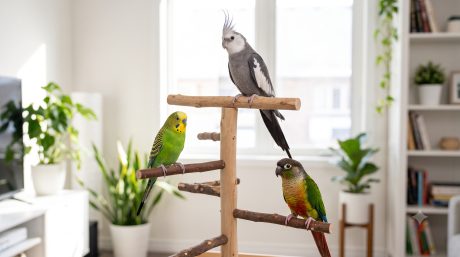
Providing the right cage environment helps birds stay active and mentally stimulated. A bird’s cage is their sanctuary, not a prison. Proper bar spacing, non-toxic materials, and varied perch textures are essential to prevent injuries and pododermatitis (bumblefoot). We focus on setups that encourage movement and natural behaviors.
Habitat & Environment Guides
- Choosing the Right Cage Size: Minimum flight requirements for every species.
- The Importance of Perch Variety: Why smooth dowel perches are bad for feet.
- Where to Place Your Bird Cage: Avoiding drafts and kitchen toxins.
- [Night Frights & Sleep]: Why your bird needs 10-12 hours of uninterrupted darkness.
🦜 Latest Bird Habitat & Setup Guides
- The Complete Pet Bird Care Guide: Diet, Housing, and BehaviorPet birds need a pellet-based diet supplemented with fresh vegetables (not a seed-only diet), a correctly sized cage…
- How to Set Up a Safe Bird Cage: Bar Spacing, Materials & PerchesA safe bird cage setup depends on three things: correct bar spacing for your species (too wide risks…
🩺 Bird Health & Wellness: Spotting the Subtle Signs
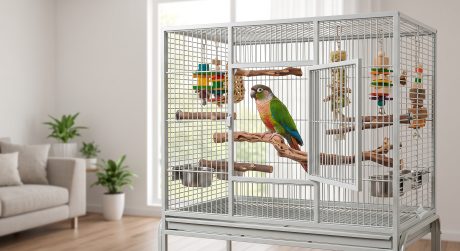
Understanding the basics of bird health helps ensure your pet stays active and healthy. In the wild, birds hide illness to avoid predators. As an owner, you must become an expert at noticing “micro-changes” in droppings, feather quality, and vocalization. Proactive care is the only way to manage the unique health challenges of pet birds.
Avian Health Resources
- [5 Warning Signs Your Bird Is Sick]: Acting before it’s too late.
- Respiratory Safety: Why Teflon, candles, and aerosols are lethal.
- [Feather Plucking & Stress]: Understanding the root causes.
- [Basic First Aid for Birds]: What to keep in your emergency kit.
🦜 Latest Bird Health & Wellness Guides
- The Complete Pet Bird Care Guide: Diet, Housing, and BehaviorPet birds need a pellet-based diet supplemented with fresh vegetables (not a seed-only diet), a correctly sized cage…
- Household Hazards for Pet Birds: What’s Actually Dangerous at HomeThe single most dangerous household item for pet birds is non-stick cookware. Overheated Teflon (PTFE) releases colorless, odorless…
🐦⬛ Behavior, Training & Social Enrichment
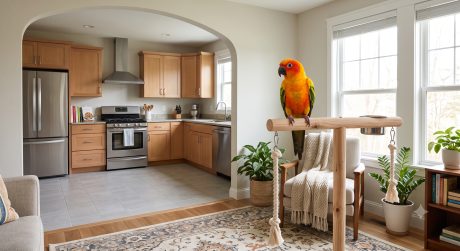
Birds are highly social animals that require significant daily interaction. Without proper mental stimulation, intelligent species like African Greys or Cockatiels can develop severe behavioral issues. Training is the best way to provide “mental jobs” for your feathered friends. Understanding bird behavior helps owners build a strong bond with their pets.
Training & Psychology Guides
- Taming Your New Bird: Building trust step-by-step.
- [Target Training 101]: The easiest way to communicate with your bird.
- Why Does My Bird Scream? Redirecting excessive noise.
- [DIY Bird Toys]: Cheap and safe ways to prevent boredom.
🦜 Latest Bird Behavior & Training Guides
- The Complete Pet Bird Care Guide: Diet, Housing, and BehaviorPet birds need a pellet-based diet supplemented with fresh vegetables (not a seed-only diet), a correctly sized cage…
- Why Is My Bird Screaming So Much—And How Do I Get It to Stop?Birds scream for two main reasons: normal communication (contact calls and alarm calls, especially at dawn and dusk)…
- How to Tame a Pet Bird: A Step-by-Step Trust-Building GuideTaming a bird means building trust gradually through calm presence, positive reinforcement, and reading body language correctly—never through…
🧼 Grooming & Hygiene: Essential Maintenance
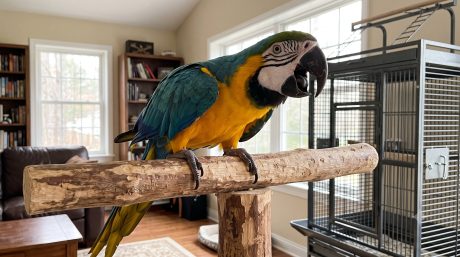
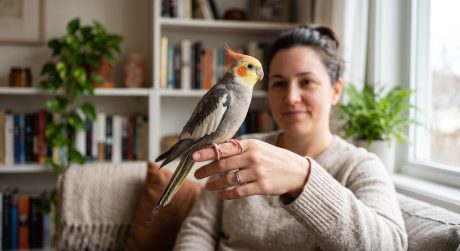
Unlike dogs and cats, birds preen themselves meticulously, but they still require your help with crucial maintenance. Proper bathing routines are vital for respiratory health and reducing feather dander. Meanwhile, managing overgrown nails and beaks requires precision to avoid hitting the sensitive “quick,” which can cause dangerous bleeding.
Grooming & Care Resources
- [Bird Bathing Guide]: Misting vs shallow bowls.
- [Safe Nail Trimming for Parrots]: How to safely wrap and clip.
- [Understanding Molting]: How to help your bird through a heavy shed.
- [Beak Maintenance]: When to see a vet for an overgrown beak.
✅ How-To: The 5-Minute Daily Avian Health Check
Birds are master illusionists when it comes to hiding illness. Perform this quick visual and environmental exam every morning when you uncover their cage:
Total Time: 5 minutes
Inspect the Droppings
Examine the cage tray. A healthy dropping has three distinct parts (solid feces, white urates, and clear urine). Sudden changes in color or consistency can be the first sign of illness.
Observe Their Posture
A healthy bird is alert and active. Sitting fluffed up at the bottom of the cage, or sleeping on two feet instead of resting on one, are major red flags.
Watch Their Breathing
Look closely at their tail while they rest. Noticeable “tail bobbing” with each breath is a classic sign of severe respiratory distress.
Check the Bowls
Verify if they actually ate their food or just ground it up and tossed it around. Ensure the water is completely clear of droppings or soaked food.
Listen to Vocalizations
A quiet bird is often a sick bird. A sudden lack of morning chatter or a change in the tone of their voice warrants close monitoring.
(📖 Pro Tip: If your bird shows any of these warning signs, explore our Bird Health & Wellness guides for more context, and never wait to see if they improve, but always contact a certified avian veterinarian immediately—avian health deteriorates far faster than in mammals.)
🐦 Recommended Bird Products & Accessories
Safety is our priority when recommending bird products. Many “pet store” toys contain dangerous zinc, lead, or loose cotton fibers that cause crop impaction. We vet every product to ensure it meets the highest safety standards for avian companions. Quality products improve both the comfort and safety of pet birds.
Top-Rated Bird Gear (2026)
- [Best Non-Toxic Flight Cages for Small & Medium Parrots]
- [Top 5 Full-Spectrum Bird Lamps for Indoor Health]
- [Review: The Most Durable Foraging Toys for Large Beaks]
- [Natural Wood Perches: The Best Options for Foot Health]
❓ Frequently Asked Questions About Bird Care
Are non-stick pans (Teflon) really dangerous to birds?
Yes, they are highly lethal. When heated, PTFE (Teflon) releases an odorless gas that causes instant, fatal respiratory failure in birds. Bird owners must switch to ceramic, stainless steel, or cast-iron cookware.
Do birds need a seed or pellet diet?
An all-seed diet is the leading cause of malnutrition and fatty liver disease in pet birds. Avian veterinarians recommend a diet consisting of 60-70% high-quality, formulated pellets, supplemented with fresh vegetables (chop) and a small amount of seeds/nuts as treats.
How much sleep does a pet bird need?
Most parrots and pet birds require 10 to 12 hours of total, uninterrupted darkness and quiet every night to prevent hormonal aggression and stress.
Can I keep a single bird or do they need a companion?
It depends on the species. Social birds like cockatiels, lovebirds, and budgies do better in pairs if you cannot provide several hours of daily interaction. However, some parrots like African Greys bond so deeply with one human that a second bird can cause stress. Research your specific species before pairing.
How do I know if my bird is happy?
A happy bird vocalizes regularly, eats well, preens actively, plays with toys, and shows curiosity about their environment. Feather plucking, constant screaming, loss of appetite, or sitting fluffed at the bottom of the cage are signs something is wrong—physically or emotionally.
❤️ Why Trust LovingPetsGuide’s Avian Content
Our bird care guides are developed using current avian veterinary standards, including guidelines from the Association of Avian Veterinarians (aav.org) and evidence-based research on psittacine behavior and nutrition from the Lafeber Veterinary portal (lafeber.com/vet). We challenge dangerous myths — like all-seed diets and smooth dowel perches — and replace them with species-appropriate, vet-aligned recommendations that protect your bird’s long-term health.

🦜 Browse bird food, cages, perches, toys, supplements and everything else your bird needs 🐾
(This post contains affiliate links. If you purchase through our links, we may earn a small commission at no extra cost to you. This never influences our editorial opinions.)