
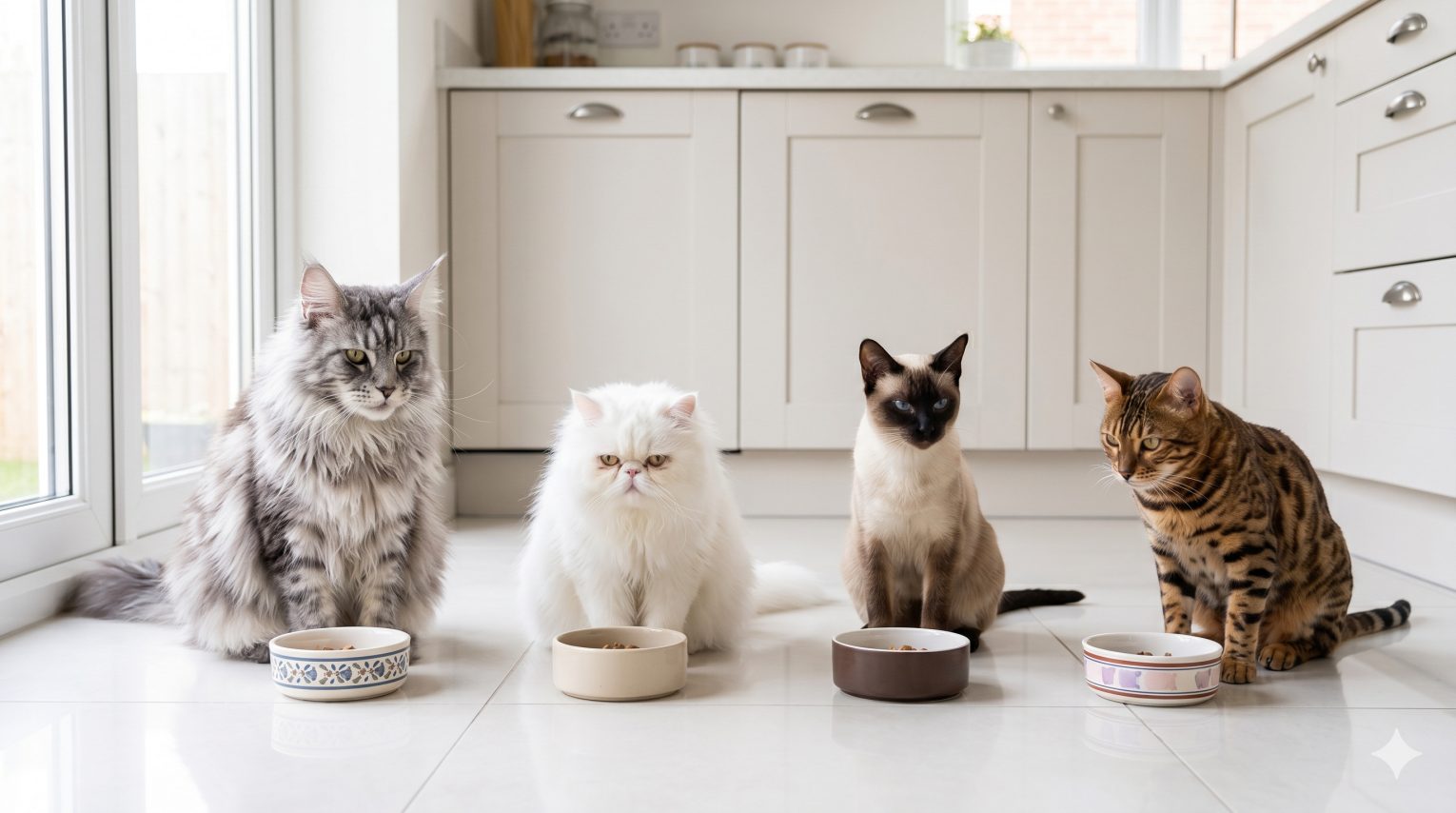
The best cat food by breed depends on three factors: body size, genetic health predispositions, and physical structure. Large breeds like the Maine Coon and Ragdoll need joint support and larger kibble designed for their jaw anatomy. Flat-faced breeds like the Persian need specially shaped kibble they can actually pick up. Active breeds like the Bengal need higher protein and calories. And weight-prone breeds like the British Shorthair need portion-controlled formulas with controlled calorie density.
Most domestic cats—mixed breeds and moggies— do not require breed-specific food. But for purebred cats with documented genetic health predispositions, choosing a formula that supports those specific needs from an early age makes a measurable difference in long-term health outcomes. This guide covers the six most common purebred cat types and what the science actually says about their nutritional requirements.
Breed-specific requirements build on the fundamentals that all cats share as obligate carnivores. Before narrowing by breed, our cat nutrition guide covers the complete picture of feline macronutrient requirements, taurine needs, and life stage feeding that apply across every breed.
(💡 Body structure, genetic predispositions, and activity level vary significantly across breeds—and the best food reflects those differences.)
Table of Contents
Why Breed Affects Nutritional Needs
Breed-specific nutrition is not marketing. It reflects documented differences in body composition, metabolism, jaw anatomy, coat type, and genetic disease predispositions that have been selectively reinforced over generations of breeding.
🐈 The four factors that drive breed-specific needs:
1. Body size and growth rate: Large breeds (Maine Coon, Ragdoll, Norwegian Forest Cat) take 3–5 years to reach full size— significantly longer than most cats. Their formulas need to support extended growth without triggering obesity or excessive joint stress during development.
2. Jaw anatomy and kibble shape: Flat-faced (brachycephalic) breeds—Persian, Exotic Shorthair—cannot pick up standard round or triangular kibble with their foreshortened jaw. They need flat, donut-shaped kibble specifically designed for their anatomy.
3. Genetic health predispositions: Maine Coons have elevated HCM (hypertrophic cardiomyopathy) risk—supporting heart health through taurine levels matters more for them than for other breeds. Bengals have documented susceptibility to PK deficiency. Scottish Folds have osteochondrodysplasia affecting their joints from birth.
4. Activity level and muscle mass: Bengals are among the highest-energy domestic cat breeds—they require more protein and calories per kilogram of body weight than a sedentary indoor Persian.
📰 The breed-specific nutritional differences referenced throughout this guide are consistent with veterinary literature including the Merck Veterinary Manual at merckvetmanual.com and breed-specific clinical research cited by the Cornell Feline Health Center at vet.cornell.edu. Royal Canin’s breed-specific formulas—the most extensively researched breed-targeted cat foods commercially available—were developed from this veterinary literature base and have been independently reviewed in veterinary nutrition publications.
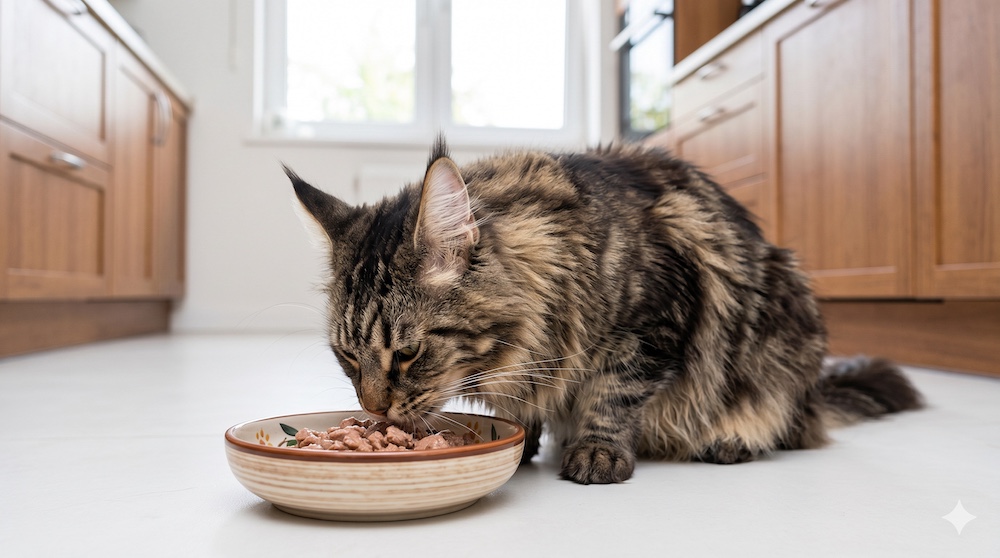
Best Cat Food for Maine Coon
Maine Coons take 3–5 years to reach full adult size—their food needs to support extended development and joint health throughout that period.
❕Maine Coon key facts:
- Adult weight: 5–9 kg (males), 3.6–5.4 kg (females).
- Growth period: 3–5 years to full size.
- Primary health risks: HCM (heart disease), hip dysplasia, polycystic kidney disease (PKD).
- Activity level: Moderate—playful but not hyperactive.
❔What to look for in Maine Coon food:
- High protein (min. 30–35% dry matter)— to support large muscle mass.
- Glucosamine and chondroitin—for joint health given their size and weight.
- Taurine enrichment—HCM risk makes adequate taurine critical for cardiac muscle function.
- Large kibble size—scaled to their large jaw.
- L-carnitine—supports healthy weight management in a large-framed breed.
🐾 Royal Canin Maine Coon Adult 🐾
🦁 Royal Canin Maine Coon—The only commercially available kibble specifically designed for Maine Coon jaw anatomy, muscle mass, and HCM predisposition. Taurine-enriched for cardiac support, with glucosamine for joint health and large donut-shaped kibble scaled to their jaw structure.
🐾 Raw Paws Frozen Cat Food 🐾
❄️ Raw Paws (Frozen Cat Food)—High-protein raw option suited to Maine Coon muscle mass needs. USDA-inspected meats, minimal processing, multiple protein options. 15% off 1st Auto Ship + 5% off future orders.
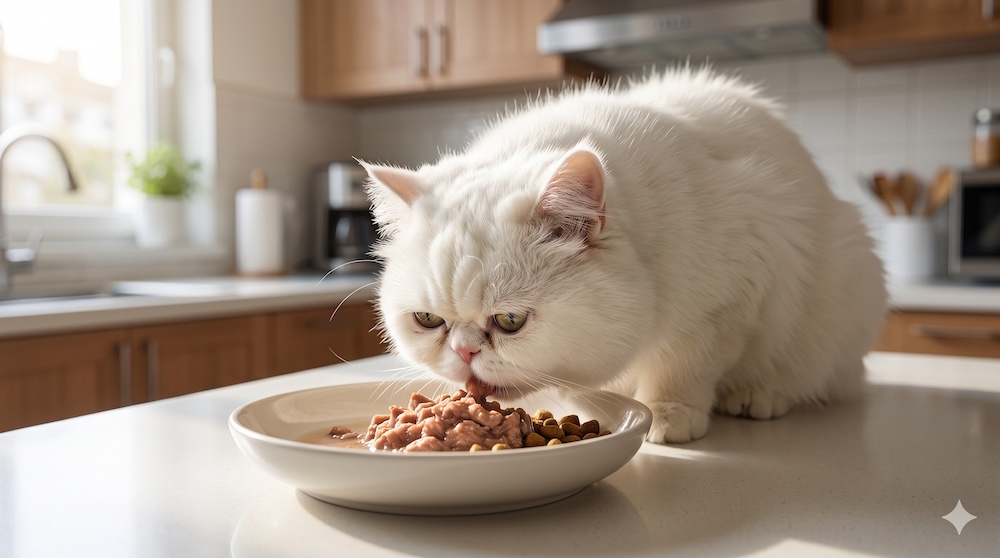
Best Cat Food for Persian
Persians cannot pick up standard round kibble with their foreshortened jaw—breed-specific flat kibble is a functional necessity, not a preference.
❕Persian key facts:
- Adult weight: 3.2–5.4 kg.
- Distinctive feature: Flat face (brachycephalic), long dense coat.
- Primary health risks: PKD (polycystic kidney disease), dental overcrowding, tear duct overflow, digestive sensitivity.
- Activity level: Low—sedentary indoor cats.
❔What to look for in Persian food:
- Flat, donut-shaped or almond-shaped kibble— Persians cannot pick up round kibble with their foreshortened jaw. This is non-negotiable.
- High digestibility—Persian digestive sensitivity is well-documented in veterinary literature.
- Omega-3 (EPA/DHA)—supports their dense double coat and reduces shedding.
- Controlled phosphorus—supports kidney health given PKD predisposition.
- Hairball formula consideration—their long coat increases ingested hair volume significantly.
🐾 Royal Canin Persian Adult 🐾
🐱 Royal Canin Persian—Flat, almond-shaped kibble designed for the Persian’s brachycephalic jaw—the only format most Persians can reliably pick up. High digestibility for their documented digestive sensitivity, with omega-3 for coat quality and antioxidants for immune support.
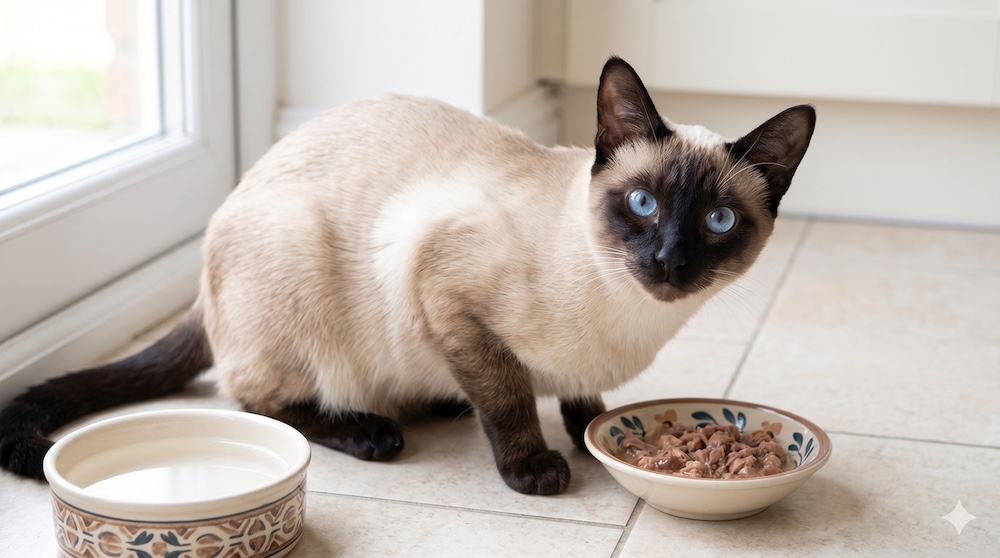
Best Cat Food for Siamese
Siamese are chronically poor drinkers—wet food is the most reliable way to increase their daily moisture intake and protect urinary health.
❕Siamese key facts:
- Adult weight: 3.6–5 kg.
- Distinctive features: Lean muscular build, extremely vocal, high social needs.
- Primary health risks: Amyloidosis (liver), respiratory issues, progressive retinal atrophy.
- Activity level: High—one of the most active domestic breeds.
❔What to look for in Siamese food:
- High protein (35%+ dry matter)—to support their lean muscle mass without excessive fat.
- Controlled calorie density—active but small-framed, prone to neither obesity nor excessive weight loss.
- Taurine levels confirmed—progressive retinal atrophy risk makes taurine adequacy critical for eye health.
- Wet food supplementation recommended— Siamese are often poor drinkers and benefit from additional moisture.
🐾 Purina Pro Plan Adult Wet Cat Food 🐾
💧 Purina Pro Plan (Wet Cat Food)—High moisture content addresses the Siamese tendency to under-drink on dry food diets. Named protein first, confirmed taurine levels, AAFCO feeding trial approved—suitable for the Siamese’s high-protein lean muscle requirement.
Best Cat Food for Bengal
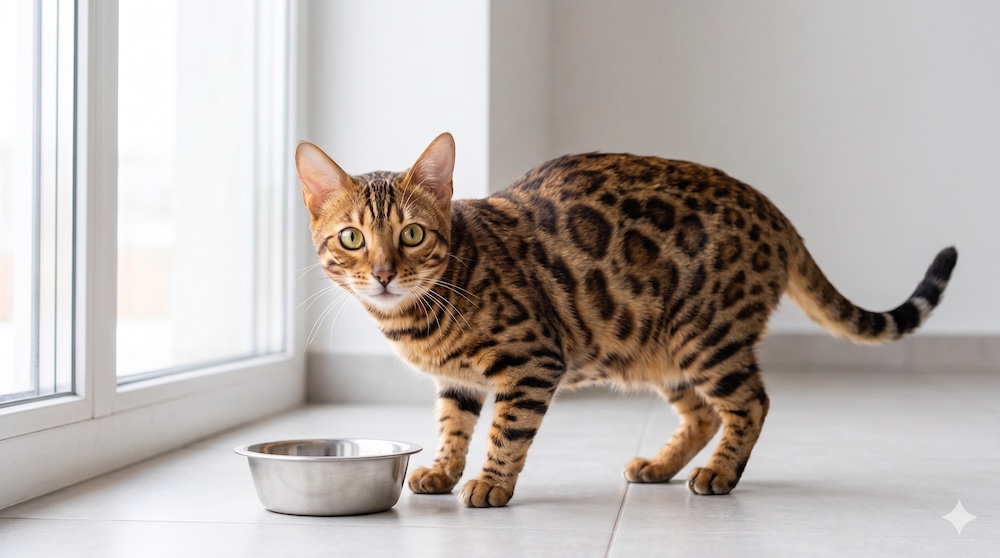
Bengals require significantly more protein per kilogram of body weight than average cats—their food needs to reflect that athletic build and activity level.
❕Bengal key facts:
- Adult weight: 3.6–7 kg.
- Distinctive features: Athletic build, spotted or marbled coat, dog-like activity level.
- Primary health risks: PK deficiency (pyruvate kinase deficiency causing anemia), HCM, progressive retinal atrophy.
- Activity level: Very high—the most athletic common domestic breed.
❔What to look for in Bengal food:
- Very high protein (38%+ dry matter)— Bengal muscle mass and activity level demand significantly more protein than average cats.
- High-quality named animal protein first— chicken, salmon, or turkey as the primary source.
- Iron-supporting nutrients—PK deficiency causes red blood cell breakdown; iron-rich proteins support healthy blood cell production.
- No low-quality fillers—Bengals are sensitive to food quality and often reject formulas with high plant protein percentages.
🐾 Purina Pro Plan Adult Chicken Cat Food 🐾
📊 Purina Pro Plan (Chicken & Rice)—High-protein WSAVA-compliant formula suited to Bengal’s exceptional muscle mass and activity level. Real chicken first, live probiotics, AAFCO feeding trial approved. Available in dry and wet formats for flexible mixed feeding.
🐾 Raw Paws Frozen Cat Food 🐾
❄️ Raw Paws (Frozen Cat Food)—The Bengal’s ancestral protein requirement is best matched by minimally processed raw food. USDA-inspected meats, 80% meat content, multiple novel protein options. 15% off 1st Auto Ship + 5% off future orders.
Best Cat Food for British Shorthair
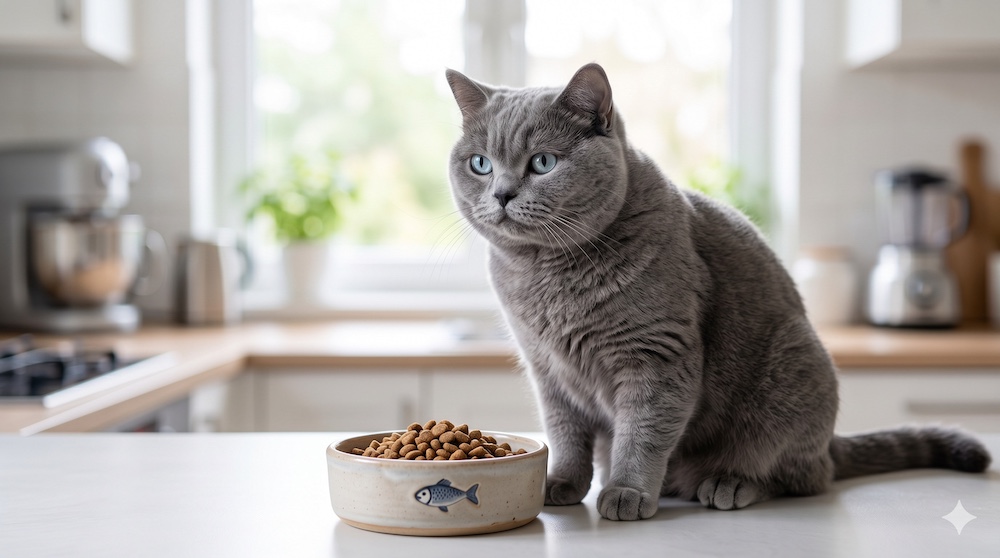
The British Shorthair’s calm temperament and dense build make them the most obesity-prone common breed—portion control is their most important nutritional intervention.
❕British Shorthair key facts:
- Adult weight: 4–8 kg (males notably heavier).
- Distinctive features: Dense round build, plush coat, calm temperament.
- Primary health risks: Obesity, HCM, PKD.
- Activity level: Low—calm, sedentary indoor cats.
❔What to look for in British Shorthair food:
- Controlled calorie density—the British Shorthair’s calm temperament and dense build make them the most obesity-prone of the common breeds. Overfeeding is the single biggest health risk for this breed.
- High protein, low fat—preserves lean muscle mass while managing calorie intake.
- L-carnitine—supports fat metabolism.
- Omega-3 for coat quality—their dense double coat benefits from EPA/DHA supplementation.
- Taurine for HCM prevention—confirmed adequate taurine levels are essential.
🐾 Royal Canin British Shorthair Adult 🐾
⚖️ Royal Canin British Shorthair—Specifically formulated for the British Shorthair’s dense build, obesity predisposition, and HCM risk. Controlled calorie density, L-carnitine for weight management, and a kibble shape designed for their wide, rounded muzzle.
Best Cat Food for Scottish Fold
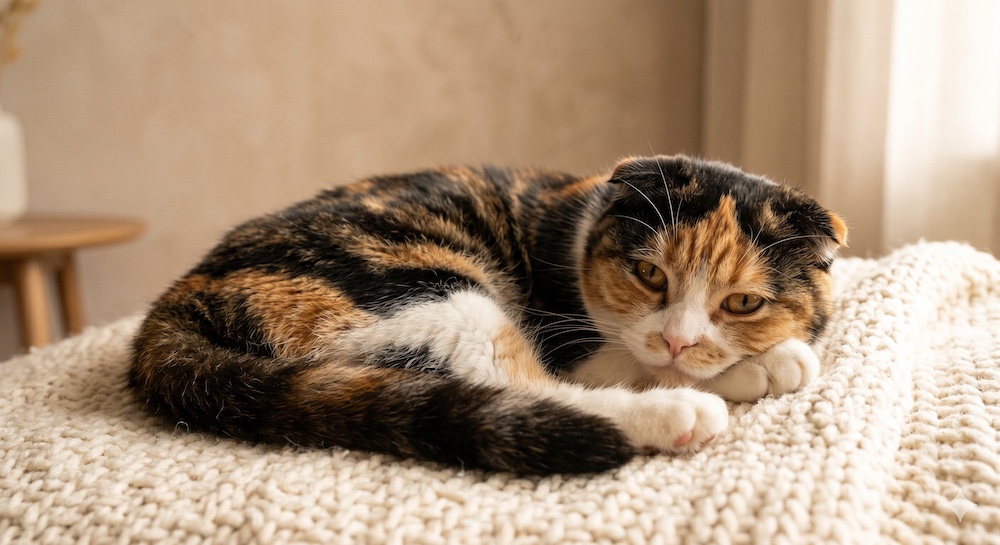
All Scottish Folds carry the osteochondrodysplasia mutation—glucosamine, omega-3, and strict weight control are the three dietary tools that manage joint health in this breed.
❕Scottish Fold key facts:
- Adult weight: 2.7–5.4 kg.
- Distinctive feature: Folded ears caused by osteochondrodysplasia (OCD)—a cartilage/bone development abnormality.
- Primary health risks: Osteochondrodysplasia (affects all Scottish Folds to varying degrees— causes joint pain, stiffness, lameness).
- Activity level: Low to moderate—joint pain often limits activity as they age.
❔What to look for in Scottish Fold food:
- Glucosamine and chondroitin—the most important nutritional intervention for osteochondrodysplasia management.
- Omega-3 (EPA/DHA)—anti-inflammatory properties directly relevant to their chronic joint condition.
- Controlled weight—excess body weight increases joint stress significantly in a breed already predisposed to joint pain.
- High digestibility—supports nutrient absorption without caloric excess.
🐾 Hill’s Science Diet Adult Cat Food 🐾
🥣 Hill’s Science Diet (Adult Cat)—For Scottish Folds, Hill’s Joint formula provides clinically supported omega-3 levels and controlled calorie density to manage weight and reduce joint stress. Veterinary nutritionist formulated, AAFCO feeding trial approved, full nutrient analysis publicly available.
(🩺 Vet’s Note: “Scottish Fold osteochondrodysplasia is a genetic condition present in all cats with the fold mutation—it is not preventable through diet. However, nutrition can meaningfully manage symptom severity and progression. Glucosamine, EPA/DHA, and strict weight control are the three dietary levers owners have access to”— LovingPetsGuide Veterinary Advisor.)
Best Cat Food for Mixed Breed / Domestic Shorthair
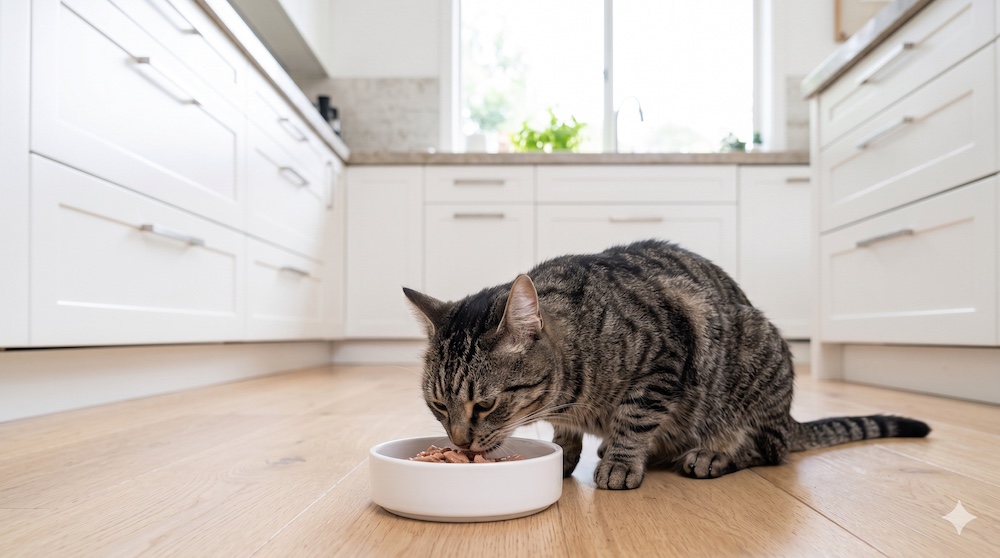
Domestic shorthairs do not need breed-specific food—but a wet food component significantly reduces their most common health risk: urinary crystals and bladder stones.
The domestic shorthair—the most common cat in the world—is not a breed in the genetic sense but a catch-all category for mixed-breed cats. Without defined breed genetics, the health predispositions are more variable—but obesity, dental disease, and urinary issues are the three most common health problems seen in domestic shorthairs in clinical practice.
❔What most domestic shorthairs need:
- Complete and balanced WSAVA-compliant formula— no breed-specific extras required.
- Wet food component—domestic shorthairs are prone to urinary issues; increased moisture intake reduces crystal and stone formation risk.
- Controlled calorie intake—obesity is the most preventable health problem in domestic cats.
- Life stage appropriate formula—kitten, adult, and senior needs differ significantly.
🐾 Purina Pro Plan Adult Wet Cat Food 🐾
💧 Purina Pro Plan (Wet Cat Food)—The strongest all-round choice for domestic shorthairs. High moisture supports urinary health, named protein first, live probiotics for digestive support, AAFCO feeding trial approved across life stages.
🐾 Raw Paws Cat Food Toppers 🐾
🍛 Raw Paws (Cat Food Toppers)—Adding a raw food topper to dry kibble increases moisture intake and protein quality without a full diet switch. Ideal for domestic shorthairs prone to urinary issues or poor drinking habits. 15% off 1st Auto Ship + 5% off future orders.
Quick Reference: Breed Nutritional Needs at a Glance
| Breed | Priority 1 | Priority 2 | Priority 3 | Best Format |
|---|---|---|---|---|
| Maine Coon | High protein | Joint support | Taurine (HCM) | Dry + Wet |
| Persian | Kibble shape | Digestibility | Omega-3 coat | Dry (breed shape) |
| Siamese | High protein | Moisture | Taurine (eyes) | Wet preferred |
| Bengal | Very high protein | Iron-rich | High calories | Raw or Wet |
| British Shorthair | Calorie control | L-carnitine | Taurine (HCM) | Dry (measured) |
| Scottish Fold | Glucosamine | Omega-3 joint | Weight control | Wet or Mixed |
| Domestic Shorthair | Balanced complete | Moisture | Life stage | Wet + Dry |
📰 The health predispositions listed in the breed sections above are consistent with veterinary literature from the Cornell Feline Health Center (vet.cornell.edu) and the Merck Veterinary Manual (merckvetmanual.com), both of which were cross-referenced during article research. Royal Canin’s breed-specific line is the only commercially widely available range with clinical data published specifically for individual breed formulas—this is reflected in their recommendations for Maine Coon, Persian, British Shorthair, and Siamese throughout this guide.
Conclusion: Genetics Are a Starting Point
Breed-specific food recommendations are not mandatory—they are a starting point. A healthy Maine Coon thriving on Purina Pro Plan does not need Royal Canin Maine Coon to stay healthy. The breed framework becomes most useful when:
- You are choosing a food for the first time for a purebred kitten.
- Your cat has developed a health condition linked to their breed predisposition.
- You are looking to be proactive about documented genetic risks.
The most important factor remains brand quality—a breed-specific formula from a brand without veterinary nutritionist oversight is worse than a WSAVA-compliant formula not targeted at your breed.
Key takeaways:
- ✅ Breed size dictates kibble size, protein needs, and calorie density.
- ✅ Flat-faced breeds need breed-specific kibble shape—standard kibble is a functional problem, not just a preference.
- ✅ Joint support matters for Maine Coon, Ragdoll, and Scottish Fold from early on.
- ✅ High-activity breeds (Bengal) need significantly more protein than average.
- ✅ Weight control is the primary concern for British Shorthair and indoor Persians.
- ✅ Mixed breeds need WSAVA-compliant complete food—not breed-specific formulas.
- ✅ Always choose brand quality first, then breed specificity second.
👉🏼 Cat Nutrition Guide—feline macronutrient requirements for all breeds.
👉🏼 Best Cat Food Brands—WSAVA-ranked brand comparison before choosing any formula.
👉🏼 How to Evaluate Cat Food Brands—the five questions to ask any brand you consider.
👉🏼 Best Cat Food for Senior Cats— breed-specific needs change significantly with age.
👉🏼 Wet vs Dry Cat Food—format comparison relevant to breed hydration needs.
📝 Editor’s Note: Breed health predispositions referenced throughout this guide were verified against the Cornell Feline Health Center at vet.cornell.edu and the Merck Veterinary Manual at merckvetmanual.com. Royal Canin breed-specific formula claims were verified on their published product pages and independently reviewed veterinary nutrition literature. All recommended brands were cross-checked against the FDA recall database at fda.gov/animal-veterinary/recalls-withdrawals.

🐈 Browse cat food, treats, toys, health products, supplements, litter and everything else your cat needs 🐾

🐈 Browse raw cat food, freeze-dried meals, toppers and natural treats from Indiana farms 🐾

🐈 Browse cat food, treats, veterinary diets, supplements and everything else your feline needs 🐾
(This post contains affiliate links. If you purchase through our links, we may earn a small commission at no extra cost to you. This never influences our editorial opinions.)
FAQ: Best Cat Food by Breed
Do cats really need breed-specific food?
Purebred cats with documented genetic health predispositions benefit meaningfully from breed-targeted nutrition—particularly large breeds needing joint support, flat-faced breeds needing specially shaped kibble, and breeds with cardiac predispositions needing confirmed taurine levels. Mixed-breed domestic cats do not need breed-specific food—a high-quality WSAVA-compliant complete diet is appropriate.
Is Royal Canin the only breed-specific cat food available?
Royal Canin is the most extensive and well-researched breed-specific cat food line commercially available. Hill’s and Purina Pro Plan do not produce breed-specific lines but offer condition-specific formulas (joint, sensitive stomach, weight management) that address the same health needs from a different angle.
What is the best cat food for a Maine Coon kitten?
Royal Canin Maine Coon Kitten is the most targeted option—sized kibble, protein profile, and calcium-phosphorus ratios for extended large-breed growth. If unavailable, any WSAVA-compliant kitten formula with high protein and named animal protein first is appropriate—Maine Coon kittens do not need adult large-breed formulas until 15 months.
My Persian won’t eat their kibble. Why?
Persians often struggle to pick up standard round or triangular kibble with their foreshortened jaw. If your Persian is pushing food around the bowl, scratching next to it, or walking away—it is almost certainly a kibble shape problem, not a palatability problem. Switch to flat, almond-shaped, or donut-shaped kibble designed for brachycephalic cats.
Is raw food appropriate for Bengal cats?
Bengals are the domestic breed closest in genetic proximity to wild cats—their protein requirements and food preferences reflect that ancestry. A properly formulated raw food diet from a quality supplier like Raw Paws can be appropriate for healthy adult Bengals. Always discuss raw feeding with your vet, ensure the formula is nutritionally complete, and follow proper food safety handling protocols.
At what age should I switch a Maine Coon to adult food?
Maine Coons reach full size between 3 and 5 years—significantly later than most cats. Feed a kitten or all-life-stages formula until at least 18–24 months, and ideally until 2–3 years, before transitioning to an adult or large-breed adult formula. Switching too early can interrupt their extended development phase.