
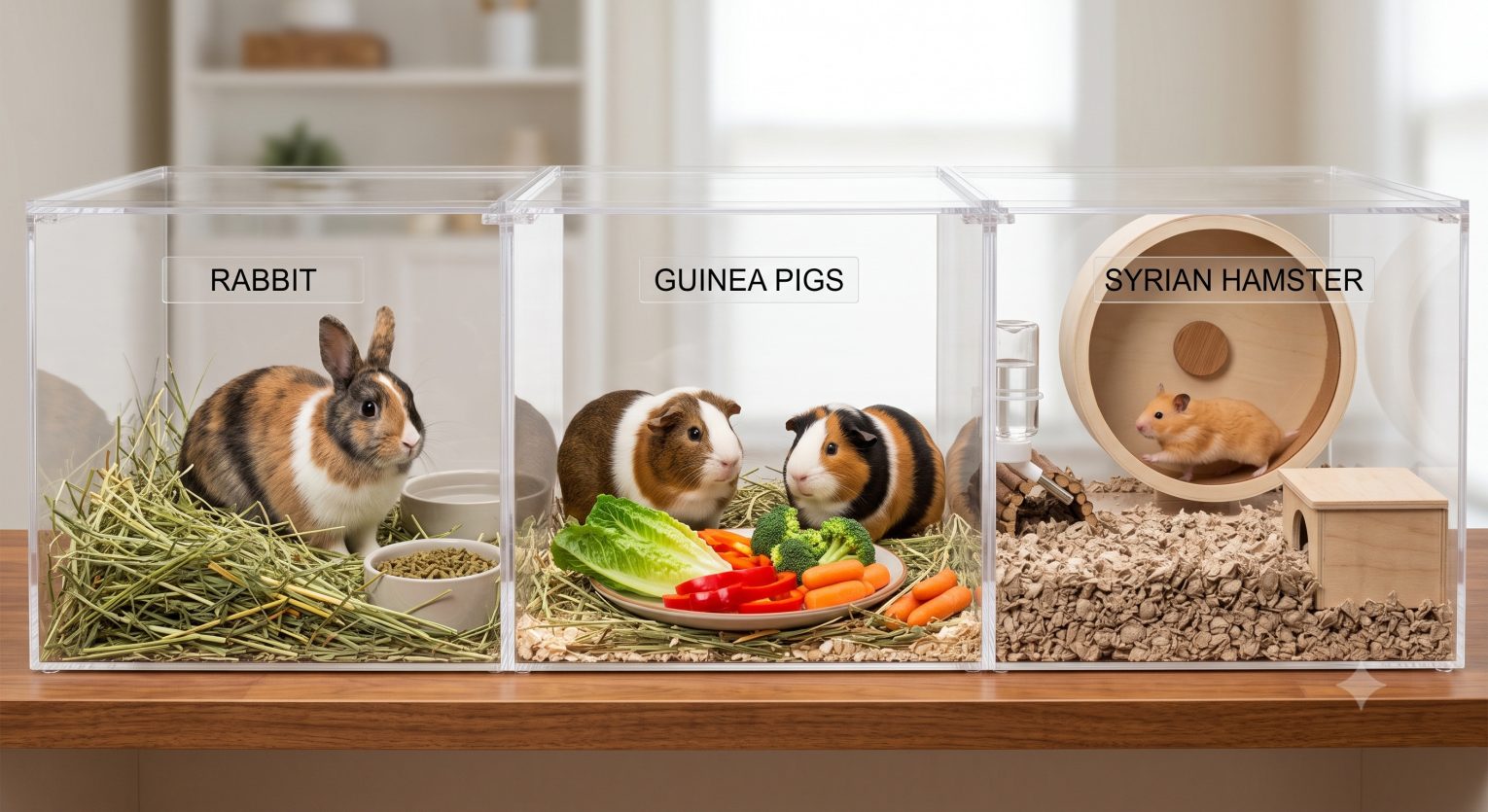
Rabbits, guinea pigs, and hamsters are the three most popular small pets in the world—but they have significantly different care requirements, social needs, and lifespans. Rabbits and guinea pigs are social animals that need companion animals and daily exercise time outside their enclosure. Hamsters are solitary, nocturnal, and need deep burrowing substrate and a large silent wheel. Choosing the right species for your lifestyle before acquiring a pet is the single most important decision in small pet ownership.
This guide covers the essential care requirements for all three species, compares their needs side by side, and links to complete care guides for each one. Use it as your starting point whether you are deciding which small pet to get or looking for a quick reference across species.
(💡 Rabbits, guinea pigs, and hamsters are often grouped together as “small pets”— but their care requirements, social needs, and activity patterns are significantly different.)
Table of Contents
Which Small Pet Is Right for You?
Before covering individual species care, this comparison helps narrow down which pet suits your lifestyle, schedule, and expectations.
| Feature | 🐰 Rabbit | 🐹 Guinea Pig | 🐹 Hamster |
|---|---|---|---|
| Lifespan | 8–12 years | 5–7 years | 2–3 years |
| Social needs | Solo or bonded pair | Always pairs/groups | Strictly solitary |
| Activity time | Dusk/dawn + daytime | Active day and evening | Strictly nocturnal |
| Space required | Large (3–4 hrs free roam daily) | Moderate (7.5+ sq ft cage) | Moderate (80×50 cm cage) |
| Diet complexity | High (hay 80–90%) | High (vitamin C daily) | Medium (seeds + protein) |
| Handling | Variable (many dislike it) | Generally tolerant | Requires taming |
| Vet requirement | Exotic specialist | Exotic specialist | Exotic specialist |
| Noise level | Quiet | Vocal (wheeking) | Nocturnal wheel noise |
| Beginner rating | ⚠️ Intermediate | ⚠️ Intermediate | ✅ Beginner-friendly |
No small pet is truly “low-maintenance”. All three require daily feeding and water changes, regular cage cleaning, and access to an exotic animal veterinarian. The differences lie in what specific needs must be met, not in whether significant daily commitment is required.
(🩺 Vet’s Note: “I see the consequences of impulse small pet purchases regularly in my practice—rabbits in cages far too small, guinea pigs housed alone, hamsters in wire wheels. The five minutes spent researching species needs before acquisition prevents years of welfare problems and often saves the owner money in veterinary bills”—LovingPetsGuide Veterinary Advisor.)
📰 Rabbit uterine cancer risk in unspayed females is well-documented in US veterinary literature — the House Rabbit Society (rabbit.org) and PetMD (petmd.com) both cite rates of 50–80% by age 3–4, making spaying one of the most impactful preventive health decisions for female rabbits. Wet tail (proliferative ileitis) in hamsters is confirmed as a 24–48 hour fatal emergency by the Merck Veterinary Manual (merckvetmanual.com), the definitive US veterinary reference. Guinea pig social housing needs are supported by peer-reviewed research on cortisol and stress physiology in guinea pigs, reinforcing why solo housing is discouraged without a specific veterinary reason. Exotic vet resources were verified through the Association of Exotic Mammal Veterinarians (aemv.org).
Rabbit Care
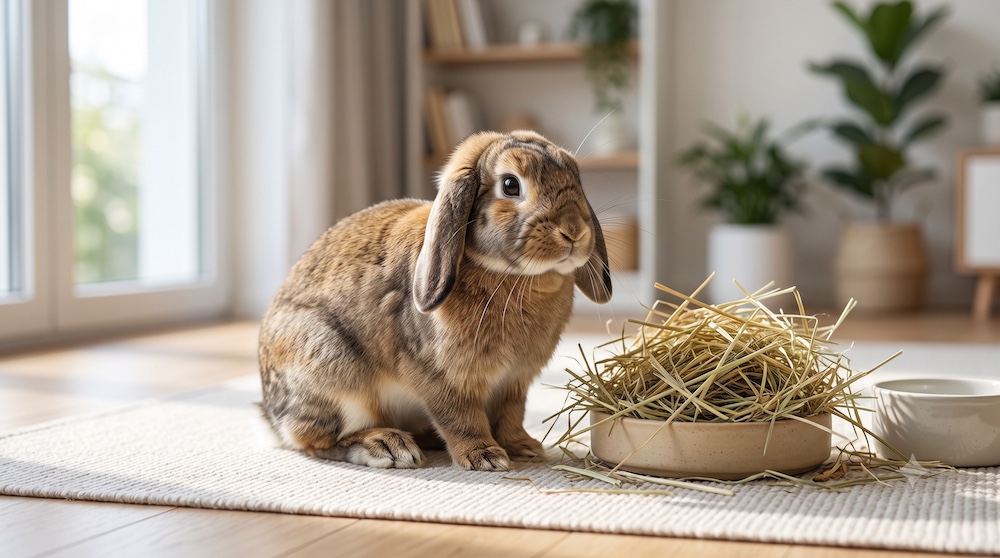
Rabbits are the longest-lived small pet covered in this guide—with a commitment comparable to a cat rather than a hamster. They can be affectionate and genuinely interactive pets when their needs are met, but they require more care than most first-time owners expect.
Rabbits live 8–12 years and require daily hay, exercise time, and—ideally—a bonded companion.
The Three Foundations of Rabbit Care
1️⃣ Unlimited hay (80–90% of diet): Timothy hay must always be available. It keeps the GI tract moving, wears down continuously growing teeth, and is the single most important factor in preventing GI stasis—the most common life-threatening emergency in pet rabbits.
2️⃣ Adequate exercise space: Rabbits need a minimum 3–4 hours of free-roam time outside their enclosure daily. Confinement without exercise causes obesity, weak bones, and behavioral problems.
3️⃣ Spaying female rabbits: Unspayed female rabbits have a 50–80% lifetime risk of uterine cancer by age 5. Spaying before age 2 is one of the most impactful preventive health decisions for female rabbits.
Rabbit Health Emergency: GI Stasis
GI stasis—the slowing or stopping of the digestive system—is the most common life-threatening condition in pet rabbits. A rabbit that stops eating or producing droppings is a veterinary emergency. Do not wait to see if it resolves.
🚨 Warning signs: Reduced or absent droppings, loss of appetite, hunched posture, lethargy, tooth grinding.
🐾 Oxbow Western Timothy Hay 🐾
🌾 Oxbow Western Timothy Hay—The most widely vet-recommended hay for adult rabbits and guinea pigs. Hay must always be available in unlimited quantity—it is the dietary foundation that prevents GI stasis in rabbits and supports guinea pig digestion and dental health.
Complete Rabbit Care
For the full rabbit care guide—covering diet ratios, safe and unsafe foods, enclosure sizing, handling, vaccination requirements, and health essentials—see Rabbit Care Guide.
Guinea Pig Care
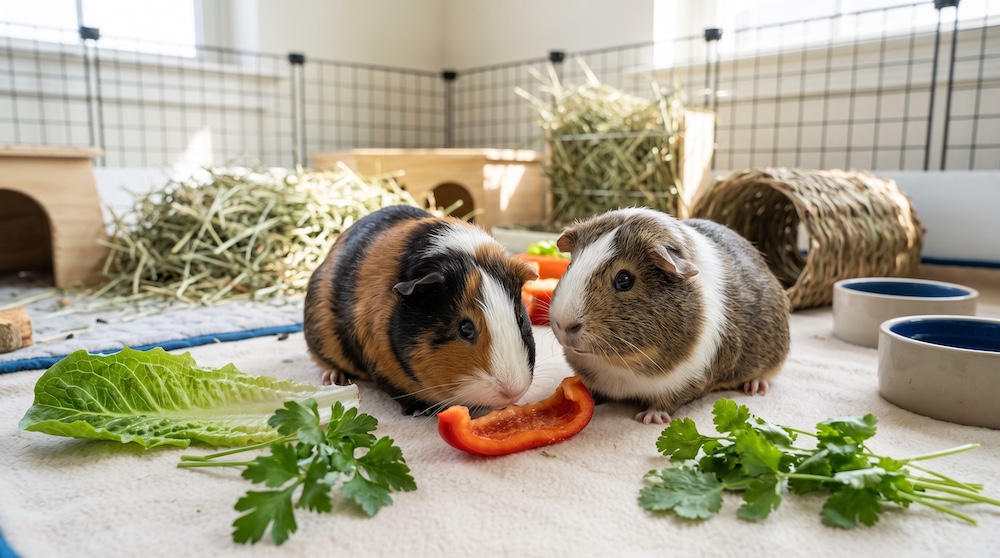
Guinea pigs are gentle, vocal, and highly social—making them excellent pets for families willing to commit to their two non-negotiable requirements: daily vitamin C and same-species companionship.
Guinea pigs must always be kept in pairs or groups—solo housing causes measurable stress even with significant human interaction.
Two Things That Set Guinea Pigs Apart
1️⃣ Vitamin C cannot be produced internally: Guinea pigs lack the enzyme to synthesize vitamin C. Every day’s diet must include a fresh vitamin C source. Bell peppers are the most reliable choice—highest vitamin C content of any common vegetable. Deficiency causes scurvy: joint pain, poor coat, slow wound healing, immune suppression.
2️⃣ Guinea pigs must never be housed alone: Guinea pigs are herd animals. A solo guinea pig shows measurably elevated stress hormones, reduced activity, and behavioral withdrawal compared to pair-housed guinea pigs. Always keep in same-sex pairs or small groups unless a veterinarian specifically advises otherwise.
Guinea Pig Housing: Size First
Minimum 7.5 square feet of floor space for one guinea pig. Most commercially sold “guinea pig cages” fall significantly below this standard. C&C cages (coroplast + wire grids) are the most cost-effective way to achieve appropriate size.
For a full breakdown of cage options, sizes, and top commercial picks, see Best Cages for Guinea Pigs.
🐾 Vitamin C Supplements for Guinea Pigs 🐾
💊 Stabilized Vitamin C Tablets—A reliable backup to fresh vegetables for ensuring guinea pigs meet their daily vitamin C requirement. Particularly useful during illness when appetite drops or when high-vitamin-C vegetables are unavailable. Chewy carries several stabilized options from Oxbow and others.
Complete Guinea Pig Care
For the full guinea pig care guide—including diet, vitamin C sources, enclosure setup, health issues, and grooming—see Guinea Pig Care Guide.
Hamster Care
Hamsters are often marketed as the easiest small pet—affordable, compact, and simple. In reality, their specific setup requirements are frequently misunderstood, and the most commonly sold hamster products (small cages, wire wheels) are inadequate for their welfare.
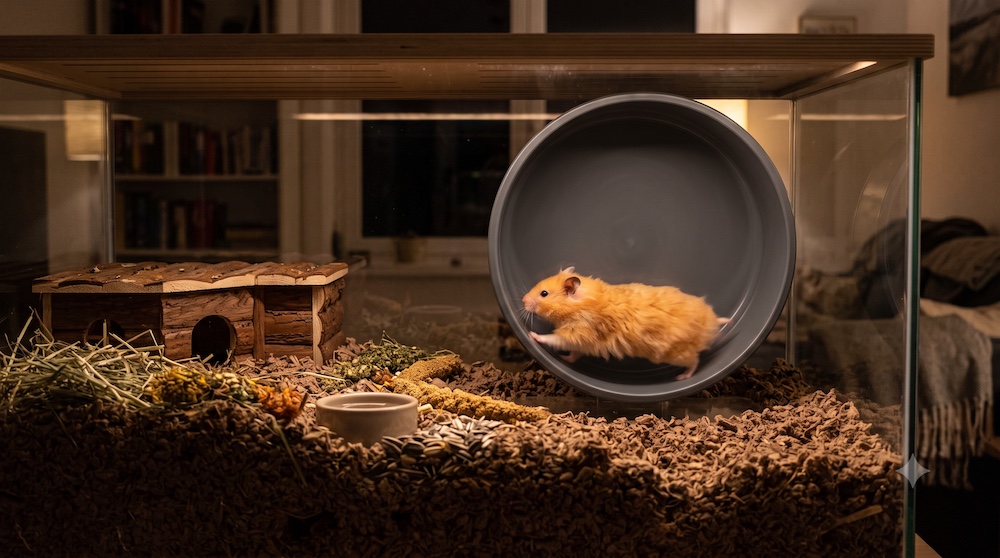
Hamsters are nocturnal and solitary— two facts that shape every care decision, from when to handle them to what cage to buy.
Three Non-Negotiables for Hamsters
1️⃣ Cage minimum: 80 × 50 cm (31 × 20 in): Most commercially sold hamster cages are too small. A hamster in an undersized cage will bar-chew—a stereotypic stress behavior indicating chronic welfare failure.
2️⃣ Bedding minimum: 15–20 cm (6–8 in) depth: Hamsters are burrowing animals. Shallow bedding prevents the natural behavior they depend on for psychological wellbeing.
3️⃣ Silent, solid wheel: minimum 28 cm (11 in): A running wheel is a biological requirement for a hamster—not optional enrichment. It must be solid-surfaced (no wire rungs) and completely silent.
❗️Hamsters Are Strictly Solitary
Syrian hamsters must always be housed alone. Two Syrians housed together will fight— often fatally. This is not a personality issue—it is hardwired territorial behavior that cannot be trained away.
🚨 Wet Tail: The Primary Hamster Emergency
Wet tail (proliferative ileitis) is a bacterial infection causing severe watery diarrhea that can be fatal within 24–48 hours without treatment. A hamster with a wet, soiled tail area alongside lethargy or reduced appetite needs veterinary care the same day. Do not wait.
🐾 Silent Hamster Wheels 🐾
🎡 Silent Running Wheels—A solid-surface silent wheel of at least 28 cm (11 in) is non-negotiable for Syrian hamsters. Niteangel and Wodent Wheel are well-regarded starting points. Chewy carries multiple silent solid-surface options—always verify the diameter before purchasing.
Complete Hamster Care
For the full hamster care guide—cage sizing, bedding depth, diet, taming, handling, and health essentials—see Hamster Care Guide. For the most enriched hamster setup available, see Bioactive Hamster Enclosure.
What All Three Species Have in Common
Despite their differences, rabbits, guinea pigs, and hamsters share several care principles:
| All three need exotic animal veterinary care: Standard dog-and-cat vets often lack the training for small mammal medicine. Find an exotic or small mammal specialist before health problems arise—not during an emergency. |
| All three need species-appropriate diet: No species does well on a generic “small animal mix.” Rabbits need timothy hay as 80–90% of their diet. Guinea pigs need daily vitamin C. Hamsters need a balanced omnivore diet with protein sources. |
| All three need appropriate enclosure size: The most common welfare problem across all three species is housing that is too small. Minimum size standards exist for a reason— they are not guidelines or suggestions. |
| All three need safe bedding: Cedar and pine shavings are toxic to all three species. Paper-based or hemp bedding is safe for all. Cotton wool / fluffy bedding is dangerous for all three—impaction or limb entanglement risk. |
| All three need a specialist vet registered before problems arise: Exotic animal emergencies move fast in small animals. Knowing who to call before a crisis develops is potentially lifesaving. |
Safe and Unsafe Foods Across All Three Species
All three species share a common set of safe vegetables and a common list of foods that are toxic to all small pets.
❌ Toxic to all three species — never feed:
- Onion, garlic, leek, chives.
- Grapes and raisins.
- Avocado.
- Rhubarb.
- Potato (all parts).
- Chocolate.
- Alcohol.
- Caffeine.
For the complete A–Z food reference across all three species—including safe quantities, fruit treat guide, and species-specific notes—see Safe Vegetables for Small Pets.
Choosing a Small Pet: Summary
🐰 Choose a rabbit if:
- You want a long-term commitment (8–12 years).
- You have space for daily free-roam time.
- You are willing to invest in proper housing and exotic veterinary care.
- You want a pet that can be genuinely interactive and bonded.
🐹 Choose guinea pigs if:
- You can always keep at least two together.
- You want a vocal, social, active pet.
- You are committed to daily fresh vegetables including a vitamin C source.
- You want a pet active during daytime hours.
🐹 Choose a hamster if:
- You have limited space.
- You are a beginner to small pet ownership.
- You are comfortable with a nocturnal pet.
- You can commit to a proper cage size and silent wheel setup from day one.
Conclusion: Small Pets, Serious Commitment
No small pet is truly easy—all three species require daily care, appropriate housing, and access to exotic veterinary medicine. The difference between a thriving small pet and a suffering one is almost always the quality of the setup decisions made before acquisition.
Get the cage size right. Get the diet right. Find a vet before you need one. Everything else builds from there.
Complete guides for every species:
👉🏼 Rabbit Care Guide—diet, habitat, health, and GI stasis prevention.
👉🏼 Guinea Pig Care Guide—vitamin C, social needs, housing, and health.
👉🏼 Hamster Care Guide—cage setup, bedding depth, wheel, and wet tail.
👉🏼 Safe Vegetables for Small Pets— complete A–Z food reference for all three.
👉🏼 Best Cages for Guinea Pigs—cage sizing, C&C guide, and top commercial picks.
👉🏼 Bioactive Hamster Enclosure— step-by-step naturalistic hamster habitat.

🐀 Browse small pet food, bedding, cages, toys, supplements and everything else your small pet needs 🐾
(This post contains affiliate links. If you purchase through our links, we may earn a small commission at no extra cost to you. This never influences our editorial opinions.)
FAQ: Small Pet Care Guide
Which small pet is easiest to care for?
Hamsters are generally considered the most beginner-friendly small pet—they require less space than rabbits and guinea pigs, have simpler social needs (solitary), and have a shorter lifespan that limits the long-term commitment. However, “easy” is relative—a proper hamster setup still requires a correctly sized cage, deep bedding, and a silent wheel, all of which most starter kits fail to provide.
Can rabbits, guinea pigs, and hamsters live together?
No. These three species should never be housed together. They have different dietary needs, different social structures, different activity patterns, and can injure or stress each other significantly. Even rabbits and guinea pigs—sometimes housed together historically—should not share an enclosure. Rabbits can injure guinea pigs with powerful kicks, and the species communicate differently causing chronic stress.
How much does it cost to keep a small pet?
Initial setup costs vary significantly by species. A proper hamster setup (large cage, silent wheel, deep bedding) costs £80–£200 / $100–$250. Guinea pig setup for a pair (appropriate cage, accessories, initial food) costs £100–£300 / $120–$380. Rabbit setup (enclosure, exercise pen, accessories) costs £150–£400 / $180–$500. Ongoing monthly costs include food, bedding, and veterinary care—the latter being the most variable and potentially most significant expense.
Do small pets smell?
All three species produce waste that will smell if the enclosure is not cleaned regularly. Guinea pigs are the most odorous of the three due to volume of waste output from a pair. Rabbits are litter-trainable which significantly reduces odor. Hamsters designate a toilet corner which can be spot-cleaned daily. Regular maintenance—daily spot-cleaning and weekly full changes—keeps odor at an acceptable level for indoor housing.
What is the best small pet for a child?
Guinea pigs are generally the most suitable small pet for children—they are active during daytime, tolerate gentle handling reasonably well, are unlikely to bite when handled correctly, and their vocal nature makes them engaging. Rabbits can work but dislike being picked up—a trait that frustrates many young children. Hamsters are the least suitable for young children—their nocturnal nature means they are asleep during the day, they bite when startled, and they are fast enough to escape and injure themselves easily.
How do I find an exotic vet for my small pet?
Search for “exotic animal vet,” “small mammal vet,” or “rabbit vet” in your area. The House Rabbit Society maintains vet resources at rabbit.org. The Association of Exotic Mammal Veterinarians at aemv.org maintains a vet locator. Register before a health problem arises—exotic animal emergencies move fast in small animals, and knowing who to call in advance is potentially lifesaving.