
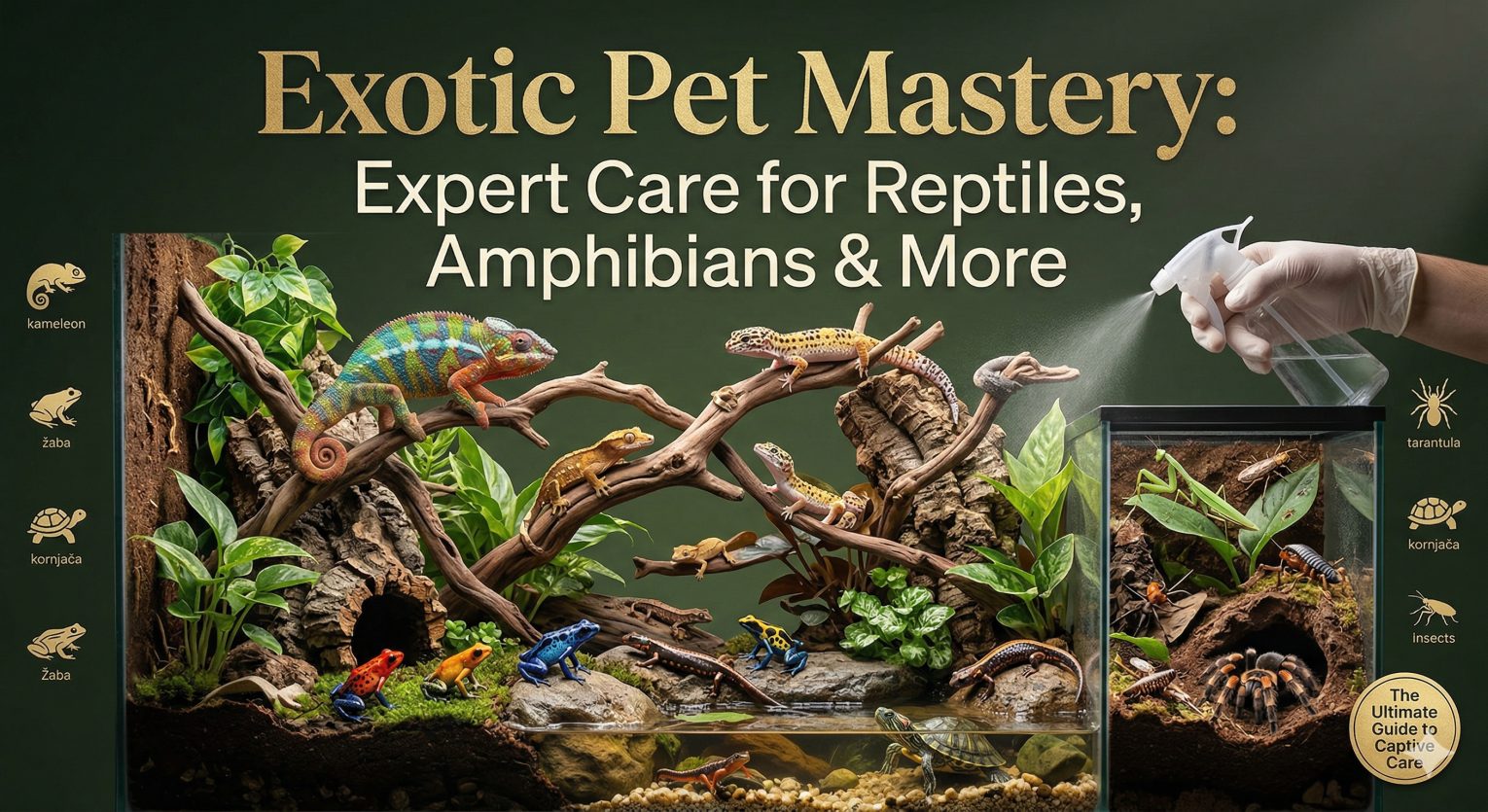
This exotic pet care guide covers everything the specialized world of reptiles, amphibians, and terrariums demands—from recreating the arid deserts of Australia to the humid rainforests of Madagascar. Bearded dragons, crested geckos, and colorful tree frogs are among the most rewarding companions a person can have, but “exotic” always means specialized.
At LovingPetsGuide.com, we take the guesswork out of exotic pet ownership. We provide deep-dive guides on habitat engineering, precise thermoregulation, and species-specific nutrition to help you provide a thriving environment for your unique companions.
Table of Contents
🦂 Explore Exotic Pet Care by Category
To help you build the perfect habitat, we have organized our expertise into seven critical areas:
- Reptile Care — The ultimate guide to heat gradients, basking spots, and essential UVB.
- Amphibian Care — Mastering terrarium humidity and water purity for frogs and axolotls.
- Habitat & Setup — Building naturalistic setups and choosing safe substrates.
- Diet & Nutrition — Gut-loading live insects and proper calcium/D3 supplementation.
- Behavior & Handling — Safe taming techniques, reading stress signals, and proper holding methods.
- Health & Wellness — Preventing Metabolic Bone Disease (MBD) and parasite control.
- Best Exotic Pet Gear — High-precision digital thermostats and automatic misting systems.
🐍 Reptile Care: Mastering Heat & UVB
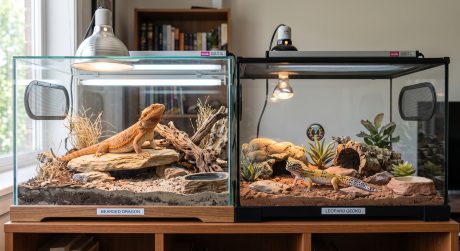
Reptiles are ectothermic, meaning they rely on external heat sources to regulate their body temperature. Providing a proper “thermal gradient” and essential UVB lighting is not optional—it is the foundation of their survival, preventing metabolic diseases and ensuring proper digestion. Providing the correct habitat conditions helps reptiles remain active and healthy.
Essential Reptile Guides
- UVB Lighting Guide: Which bulb does your reptile actually need?
- Best Reptiles for Beginners: Easy-to-care-for species to start your journey.
- Bearded Dragon Care 101: Diet, heat, and habitat basics.
- [Snake Keeping for Beginners]: Understanding temperament and enclosures.
🐍 Latest Reptile Care Guides
- The Complete Exotic Pet Care Guide: Reptile Setup, Diet, and Health
 Every pet reptile depends on three systems working correctly together: a temperature gradient matched to the species, UVB…
 - Best Beginner Reptiles: Comparing Care Complexity Across SpeciesThe easiest beginner reptiles are leopard geckos, crested geckos, and corn snakes—each has forgiving care requirements, docile temperament,…
- Reptile UVB Lighting Explained: Zones, Bulb Types, and Safe PlacementReptile UVB needs vary dramatically by species, categorized using the “Ferguson zone” system—shade- dwelling species like leopard geckos…
🦎 Amphibian Care: Humidity & Water Purity
Amphibians have highly permeable skin, making them incredibly sensitive to toxins and environmental shifts. Successful amphibian keeping requires a mastery of humidity control and water chemistry to ensure your frogs or salamanders stay hydrated and healthy. Understanding these needs helps ensure amphibians remain healthy in captivity.
Amphibian Care Resources
- [Frog Care for Beginners]: Setting up your first terrarium.
- [Maintaining Humidity]: How to prevent respiratory issues in amphibians.
- [Axolotl Care Guide]: Mastering cold-water environments.
- [The Bioactive Approach]: Using live plants and “cleanup crews” (isopods).
🏠 Habitat Setup: Enclosure Engineering
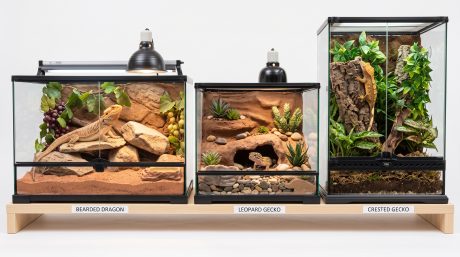
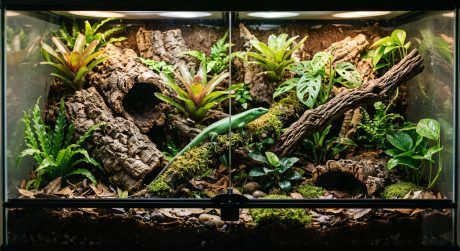
A terrarium is more than just a glass tank; it’s a life-support system. A well-designed habitat helps replicate natural conditions. Whether you are building a desert scrubland or a tropical vivarium, the choice of substrate, hiding spots, and climbing branches must mimic the animal’s natural geography to reduce stress.
Habitat & Setup Guides
- [Terrarium vs Vivarium]: What’s the difference?
- [Best Substrates for Reptiles]: Avoiding impaction and maintaining hygiene.
- [Heating & Lighting Setup]: How to use thermostats and timers for safety.
- [DIY Exotic Pet Decor]: Safe ways to customize your enclosure.
🐍 Latest Exotic Pet Habitat & Setup Guides
- The Complete Exotic Pet Care Guide: Reptile Setup, Diet, and HealthEvery pet reptile depends on three systems working correctly together: a temperature gradient matched to the species, UVB…
- How to Set Up a Bioactive Terrarium: Arid and Humid Builds ExplainedA bioactive terrarium is a self-sustaining ecosystem combining a drainage layer, live plants, and a cleanup crew of…
🫙 Exotic Nutrition: Live Feeders & Supplements
Many exotic pets require a diet of live insects, while others are strictly herbivorous or omnivorous. Understanding “gut loading” (feeding your insects before they reach your pet) and proper calcium supplementation is vital for long-term health. Providing the correct diet helps support growth, energy and overall health.
Feeding & Nutrition Guides
- [Live Food Guide]: How to raise and gut-load crickets and dubia roaches.
- [The Importance of Calcium & D3]: Preventing Metabolic Bone Disease (MBD).
- [Best Commercial Diets for Geckos and Lizards]: Choosing high-quality meal replacements and pellets.
- [Safe Vegetables for Herbivorous Reptiles]: Creating the perfect daily salad and avoiding toxic greens.
🐍 Latest Exotic Pet Diet & Nutrition Guides
- The Complete Exotic Pet Care Guide: Reptile Setup, Diet, and HealthEvery pet reptile depends on three systems working correctly together: a temperature gradient matched to the species, UVB…
✋🏼 Behavior & Handling: Reading the Wild Mind
Exotic pets do not show affection like dogs or cats. Understanding their unique body language is crucial for a stress-free relationship. While some reptiles, like bearded dragons, can learn to tolerate and even enjoy handling, others (like most amphibians) should be treated as “display only” pets due to their delicate skin and high stress levels.
Behavior & Handling Resources
- [Taming Your Reptile]: Safe and stress-free handling techniques.
- [Reading Snake Body Language]: How to avoid defensive strikes.
- [Why You Shouldn’t Hold Your Frog]: The dangers of human skin oils.
- [Cohabitation Dangers]: Why most exotic pets prefer to live alone.
🩺 Exotic Pet Health: The Silent Warning Signs
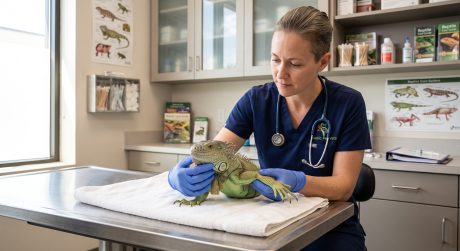
Exotic pets are masters of disguise when it comes to illness. By the time a reptile looks “sick,” the issue may be advanced. We help you identify the subtle red flags — from shedding problems (ecdysis) to changes in tongue color or basking behavior. Learning the basics of exotic pet health helps owners provide the best possible care.
Health & Wellness Resources
- [Common Reptile Health Issues]: MBD, RI, and Parasites explained.
- [Signs Your Exotic Pet Is Stressed]: And how to fix it immediately.
- [Shedding Guide]: How to help a reptile with a stuck shed.
- [Finding an Exotic Vet]: Why a standard vet might not be enough.
🐍 Latest Exotic Pet Health & Wellness Guides
- The Complete Exotic Pet Care Guide: Reptile Setup, Diet, and HealthEvery pet reptile depends on three systems working correctly together: a temperature gradient matched to the species, UVB…
- Metabolic Bone Disease in Reptiles: Signs, Causes, and Why It’s a Vet EmergencyMetabolic bone disease (MBD), medically known as nutritional secondary hyperparathyroidism, develops when a reptile’s blood calcium runs chronically…
✅ How-To: The 5-Minute Daily Terrarium Health Check
Exotic pets deteriorate rapidly if their environment fails. Build the habit of performing this 5-minute visual and technical check every single day:
Total Time: 5 minutes
Verify the Climate
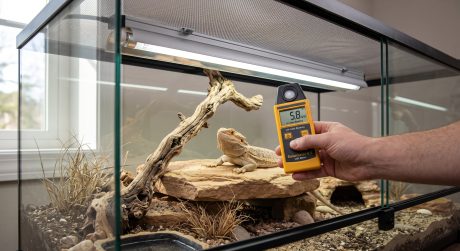
Check your digital thermometers and hygrometers. Ensure the basking spot is at the correct peak temperature and the cool side offers a proper gradient.
Observe Basking Behavior
Reptiles should utilize their thermal gradient. If your pet is constantly hiding on the cold side, or constantly gaping under the heat lamp, your temperatures are likely off.
Inspect the Skin and Eyes
Look for clear, bright eyes. Check the toes and tail tip for any retained (stuck) shed, which can cut off circulation and lead to necrosis.
Check the Water and Substrate
Ensure the water bowl is freshly cleaned (many reptiles defecate in their water) and remove any uneaten live insects that could bite your pet while they sleep.
Monitor the Droppings (Urates)
Reptiles excrete solid white urates instead of liquid urine. If the urates are yellow, hard, or chalky, your pet is severely dehydrated.
(📖 Pro Tip: If you notice lethargy, refusal to eat, or early MBD symptoms, always verify your temperatures and UVB output before anything else—these are the most common root causes. A failing UVB bulb shows no visible signs of failure until the damage is already done. Replace UVB bulbs every 6–12 months regardless of whether they still produce visible light, but always contact your veterinarian for a professional diagnosis.)
🐸 Recommended Exotic Pet Gear
Precision is everything in exotic care. A failing heater or a cheap UVB bulb can be fatal. We review and recommend high-performance equipment that we trust to keep our own exotic pets safe and comfortable.
Top-Rated Exotic Pet Gear (2026)
- [Best Digital Thermostats & Hygrometers for Precision Control]
- [Top 5 UVB Bulbs: Tested for Output and Longevity]
- [Review: Automatic Misting Systems for Tropical Enclosures]
- [Best Terrariums for Climbing Species: Glass vs PVC]
❓ Frequently Asked Questions About Exotic Pet Care
Do all reptiles need a heat lamp?
Almost all pet reptiles require a heat source to digest their food and maintain their immune systems. However, the type of heat varies. Basking species (like Bearded Dragons) need overhead heat lamps, while some nocturnal species (like Leopard Geckos) often do well with under-tank heat mats controlled by a thermostat.
What is Metabolic Bone Disease (MBD)?
MBD is a severe, often fatal, but completely preventable disease caused by a lack of dietary calcium, Vitamin D3, or proper UVB lighting. It causes a reptile’s bones to become soft, leading to deformities, fractures, and paralysis.
Why is my snake/lizard not eating?
Refusing food is common and can be caused by many factors: incorrect habitat temperatures (usually too cold), upcoming shedding, stress from excessive handling, or illness. Always check your temperature gradient first!
How often should I handle my reptile?
This depends heavily on the species and individual temperament. Most bearded dragons can tolerate 15–20 minutes of daily handling once fully settled. Ball pythons do well with 2–3 sessions per week. Never handle any reptile during shedding, within 48 hours of feeding, or if they show stress signals like hissing, gaping, or rapid color changes.
Can exotic pets be kept together in the same enclosure?
In most cases, no. The vast majority of reptiles and amphibians are solitary animals that experience significant stress when cohabited. Even same-species cohabitation can lead to resource competition, injury, and disease transmission. Always research your specific species before considering cohabitation.
❤️ Why Trust Our Exotic Pet Advice
Our exotic pet care guides are developed using current herpetological standards, including guidelines from the Society for the Study of Amphibians and Reptiles (ssarherps.org), the Association of Reptilian and Amphibian Veterinarians (arav.org), and peer-reviewed research on reptile physiology and captive husbandry. We actively challenge dangerous myths — like cohabiting territorial reptiles or relying on heat rocks — because your exotic pet’s survival depends on accurate, species-specific information.

🐍 Browse exotic pet food, terrariums, lighting, heating, supplements and everything else your reptile needs 🐾
(This post contains affiliate links. If you purchase through our links, we may earn a small commission at no extra cost to you. This never influences our editorial opinions.)