

The best dog food by breed size differs because small, medium, large, and giant breeds have genuinely different metabolic rates, caloric needs, kibble sizes, and health vulnerabilities. Small breeds need calorie-dense formulas with small kibble and higher fat ratios. Large and giant breeds need controlled calcium levels, lower caloric density, and specific joint support to prevent developmental orthopedic disease. Feeding the wrong size formula to a growing dog has measurable health consequences.
Breed size is one of the most important factors in dog food selection — yet most owners choose food based on flavour preference or marketing rather than their dog’s specific metabolic and skeletal needs. This guide breaks down exactly what each size category requires and which formulas consistently deliver the right nutritional profile.
Breed size nutrition builds on the fundamentals of canine nutrition — protein requirements, fat ratios, AAFCO standards, and life stage feeding. Our dog nutrition guide covers the complete foundation before you narrow down by breed size.
(💡 Same species, very different nutritional needs — breed size determines caloric density, kibble size, calcium levels, and joint support requirements.)
Table of Contents
Why Breed Size Changes Everything
A Chihuahua weighing 2 kg (4.4 lb) and a Great Dane weighing 70 kg (154 lb) are the same species — but their metabolism, growth rate, skeletal development, and health vulnerabilities are so different that treating them the same nutritionally is a genuine mistake.
📏 The four main differences by size:
1. Metabolic rate: Small dogs have faster metabolisms per kilogram (pound) of body weight than large dogs. A Chihuahua burns approximately 40–50 kcal per kg (18–23 kcal per lb) per day. A Great Dane burns approximately 20–25 kcal per kg (9–11 kcal per lb). This means small breeds need calorie-dense food while large breeds need calorie-controlled food.
2. Skeletal development: Large and giant breeds grow rapidly in their first year. Incorrect calcium and phosphorus levels during this growth phase cause developmental orthopedic disease (DOD) — hip dysplasia, osteochondrosis, hypertrophic osteodystrophy — that is irreversible. Large breed specific formulas control these minerals precisely.
3. Joint health: Large breeds carry more bodyweight across their joints throughout their lives. Joint support ingredients — glucosamine, chondroitin, omega-3 — become relevant earlier and more critically than in small breeds.
4. Kibble size: Small dogs have small mouths and benefit from small kibble that promotes chewing rather than swallowing whole. Large dogs benefit from larger kibble that requires chewing, slows eating, and reduces the risk of bloat (GDV) from rapid consumption.
(🩺 Vet’s Note: “The most common breed size mistake I see is large breed puppies eating standard puppy food. The calcium and phosphorus levels in standard puppy food are too high for large breeds growing rapidly — it accelerates bone growth in a way that causes joint problems that show up at 2, 3, or 4 years old. By the time owners see symptoms, the damage is done”—LovingPetsGuide Veterinary Advisor.)
📰 The link between excess dietary calcium and developmental orthopedic disease in large and giant breed puppies—including hip dysplasia and osteochondrosis—is well established in veterinary nutrition research, which is why AAFCO sets a distinct, more tightly controlled calcium range specifically for large breed growth formulas rather than applying one standard across all puppy sizes.
Breed Size Categories
🐩 Understanding where your dog falls is the essential first step.
| Category | Adult Body Weight | Examples |
|---|---|---|
| Toy/Small | Under 10 kg (22 lb) | Chihuahua, Pomeranian, Maltese, Yorkshire Terrier, Shih Tzu |
| Medium | 10–25 kg (22–55 lb) | Beagle, Cocker Spaniel, Border Collie, Bulldog, Whippet |
| Large | 25–45 kg (55–99 lb) | Labrador, Golden Retriever, German Shepherd, Rottweiler, Boxer |
| Giant | Over 45 kg (99 lb) | Great Dane, Saint Bernard, Bernese Mountain Dog, Mastiff, Irish Wolfhound |
🐕 Mixed breeds: Use expected adult weight based on parental breed sizes, or a veterinary assessment as they grow.

Small Breed Dogs: What They Need
Small breeds have disproportionately high rates of dental disease — not because of what they eat, but because their teeth are crowded into a jaw that was not designed to accommodate them all comfortably. Standard kibble is simply too large for many toy and small breed dogs to chew properly, leading to swallowing whole and accelerating tartar buildup. Small breed specific kibble is sized to fit the jaw — promoting actual chewing, slowing eating, and meaningfully reducing dental disease risk over the long term.
The Small Breed Metabolic Challenge
Small breeds burn energy faster per unit of body weight than any other size category. They are also more vulnerable to hypoglycemia (low blood sugar) between meals — particularly toy breeds and puppies under 3 months who should have food available at all times.
Key nutritional requirements
| Higher caloric density: Small breeds need food that delivers more calories per 100g (3.5 oz) — because they eat small volumes and need enough energy from those small amounts. |
| Higher fat ratio: Fat is the most energy-dense macronutrient. Small breed formulas typically run 15–18% fat on a dry matter basis vs 10–14% for large breeds. |
| Small kibble size: Standard kibble is too large for many small breeds to chew comfortably. Small breed specific kibble supports jaw-appropriate chewing and reduces dental disease risk — already elevated in small breeds due to tooth crowding. |
| Dental health support: Small breeds have disproportionately high rates of dental disease because their teeth are crowded into a small jaw. Look for foods with kibble texture designed to reduce tartar, or supplement with dental chews. |
| Omega-3 fatty acids: Important for skin and coat health — small breeds like Yorkshire Terriers, Maltese, and Shih Tzus are prone to skin sensitivities. |
Top picks for small breeds
🏆 Best overall: Royal Canin Small Adult
- Designed specifically for dogs under 10 kg (22 lb).
- Small kibble adapted for small jaws.
- Precise energy density for fast metabolism.
- Dental health support.
💎 Best premium: Hill’s Science Diet Small & Toy Breed Adult
- High-quality protein.
- Antioxidants for immune support.
- Small kibble size.
💰 Best budget: Purina ONE SmallDog Adult
- Real chicken first ingredient.
- Small bite kibble.
- No artificial colors or flavors.
Medium Breed Dogs: What They Need
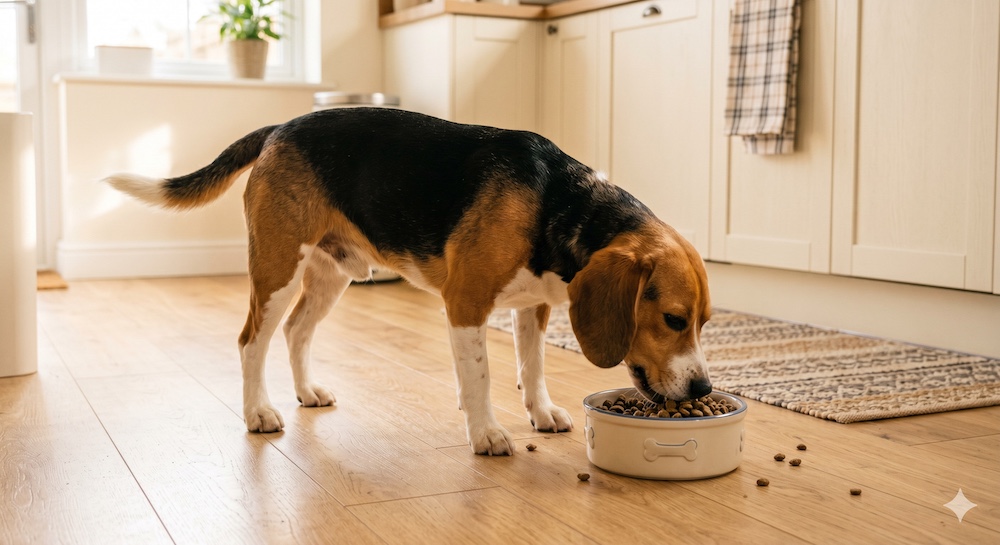
Medium breeds (10–25 kg / 22–55 lb) are the most nutritionally flexible category — standard adult formulas work well for most medium breeds, and fewer specific adaptations are required compared to small or large breeds. A high-quality AAFCO-approved formula with named animal protein as the first ingredient is all most healthy medium breeds need. Unlike small or large breeds, they have no critical size-specific adaptations that narrow down the options significantly.
Key nutritional requirements
| Balanced caloric density: Medium breeds have moderate metabolic rates — standard adult formulas at approximately 350–380 kcal per 100g (3.5 oz) are appropriate for most. |
| High-quality animal protein: Named protein source as first ingredient. Most medium breeds do not require breed-specific protein considerations unless a sensitivity is identified. |
| Moderate kibble size: Standard kibble works well — neither the tiny kibble of small breed formulas nor the large kibble of giant breed formulas. |
| Life stage formula matched to age: Medium breeds transition from puppy to adult formula at 12 months and from adult to senior at 7–8 years. |
Top picks for medium breeds
🏆 Best overall: Purina Pro Plan Adult Medium Breed (Chicken & Rice)
- Named protein first.
- Live probiotics.
- AAFCO feeding trial approved.
🧬 Best science-backed: Hill’s Science Diet Adult Perfect Weight
- Clinically proven weight management.
- High protein, controlled calories.
- Ideal for indoor medium breeds.
Large Breed Dogs: What They Need
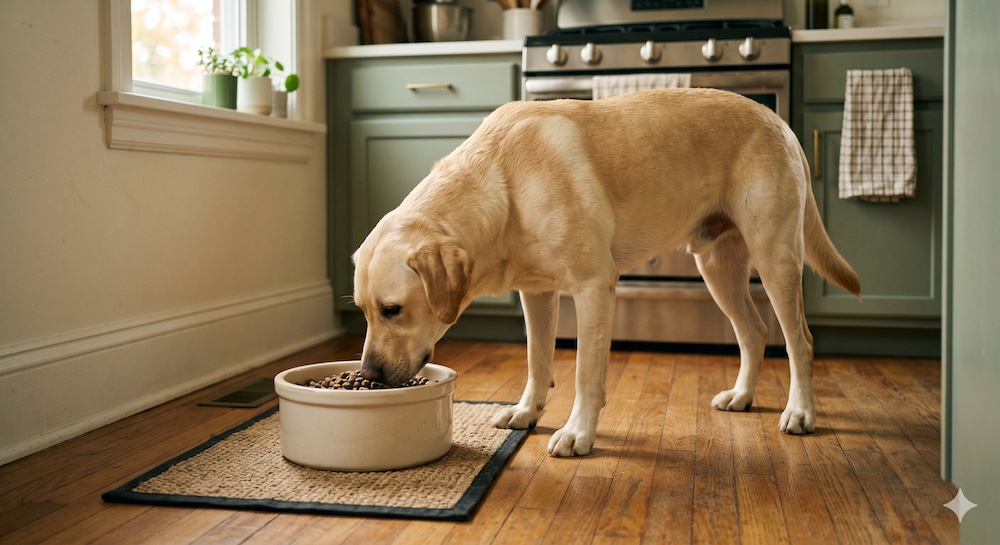
Large breeds (25–45 kg / 55–99 lb) have the most specific nutritional requirements of any adult size category — and the most significant consequences when those requirements are not met. Feeding a large breed dog a standard adult formula rather than a size-appropriate one means missing the controlled caloric density, joint support, and larger kibble size that directly impact their long-term weight, mobility, and digestive health.
Key nutritional requirements
| Controlled caloric density: Lower calories per cup (240 ml) compared to small breed food — large breeds are prone to obesity, and calorie-dense food leads to rapid weight gain without the owner noticing the excess. |
| Joint support from an early age: Glucosamine and chondroitin become relevant earlier for large breeds due to the greater mechanical load on their joints. Large breed specific formulas typically include these from the adult formula stage. |
| Larger kibble size: Large kibble encourages chewing rather than gulping — important for large breeds prone to gastric dilatation-volvulus (GDV or bloat), a life-threatening condition linked to rapid eating. |
| Controlled calcium and phosphorus in puppy/growth phase: Critically important during growth. Adult large breed formulas do not need the same strict Ca:P controls but should still be AAFCO approved. |
| Omega-3 fatty acids: Fish oil or salmon oil for joint inflammation reduction. Particularly important for breeds with known joint disease prevalence — Labradors, German Shepherds, Rottweilers. |
Top picks for large breeds
🏆 Best overall: Purina Pro Plan Large Breed Adult (Chicken & Rice)
- Chicken as first ingredient.
- Glucosamine and EPA for joint health.
- Live probiotics.
- Controlled caloric density.
💎 Best premium: Hill’s Science Diet Large Breed Adult
- Clinically proven nutrition.
- Natural sources of glucosamine and chondroitin.
- Controlled caloric density.
🥇 Best for sensitive stomachs: Purina Pro Plan Sensitive Skin & Stomach Large Breed (Salmon & Rice)
- For large breeds with skin or digestive sensitivities.
- Salmon as first ingredient.
- Live probiotics.
Giant Breed Dogs: What They Need
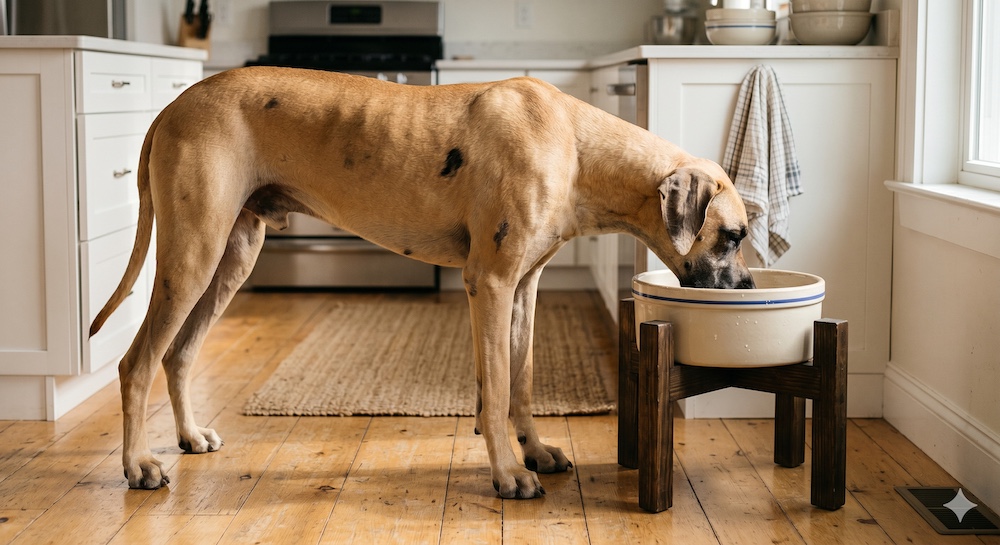
Giant breeds (over 45 kg / 99 lb) have the most demanding and the most specific nutritional requirements — particularly during growth and into senior years. Their skeletal development is so rapid and so prolonged that incorrect calcium levels during the first 18–24 months cause irreversible joint damage that shows up years later. And because giant breeds are considered senior from just 5–6 years of age, the window between puppyhood and senior nutritional needs is significantly shorter than owners often realize.
(💡 Giant breeds age fastest, carry the most weight on their joints, and have the strictest calcium requirements during growth — their food choice has the highest stakes of any size category.)
📰 Gastric dilatation-volvulus (GDV/bloat) risk factors in giant and deep-chested breeds are documented in veterinary literature, including rapid eating, single large meals, and vigorous exercise immediately after eating—supporting the multiple-smaller-meals and slow-feeder approach recommended for this size category.
Key nutritional requirements
| Very controlled caloric density: Giant breeds are extremely prone to obesity when overfed. Weight management is critical throughout their lives — excess weight on a Great Dane or Saint Bernard’s joints accelerates the joint disease that is already a breed predisposition. |
| Strictly controlled calcium during growth: Giant breed puppies must eat giant breed specific puppy food — standard large breed puppy food is often still too high in calcium for the largest breeds. The growth phase of a Great Dane extends to 18–24 months — during all of this time, calcium must be controlled. |
| Extensive joint support: Giant breeds have the highest rates of joint disease and the highest bodyweight loading their joints. Glucosamine, chondroitin, and omega-3 are not optional additions — they are essential components of any senior giant breed diet. |
| Larger meal frequency: Giant breeds are at elevated risk of GDV (bloat). Feeding 2–3 smaller meals rather than one large meal, using slow feeder bowls, and avoiding vigorous exercise around meal times all reduce risk. |
Top picks for giant breeds
🏆 Best overall: Royal Canin Giant Adult
- Specifically formulated for breeds over 45 kg (99 lb).
- Controlled energy for healthy weight.
- Joint and cardiac support.
- Large kibble adapted for giant jaws.
🥇 Best joint-focused: Purina Pro Plan Large Breed Adult with Joint Health
- EPA, glucosamine, and chondroitin.
- High protein for muscle maintenance.
- Appropriate for giant breeds at maintenance phase.
Breed Size Comparison Table
| Elements | Small (<10 kg / <22 lb) | Medium (10–25 kg / 22–55 lb) | Large (25–45 kg / 55–99 lb) | Giant (45+ kg / 99+ lb) |
|---|---|---|---|---|
| Caloric density | High | Moderate | Controlled | Low |
| Fat % | 15–18% | 12–16% | 10–14% | 8–12% |
| Kibble size | Small | Standard | Large | Extra large |
| Ca:P control | Standard | Standard | Important | Critical |
| Joint support | Less critical | Standard | Important | Critical |
| GDV risk | Low | Low | Moderate | High |
| Senior formula | From 10–12 yrs | From 8 yrs | From 7 yrs | From 5–6 yrs |
Breed Size and Life Stage: The Combined Picture
Breed size and life stage interact — and the combination matters more than either factor alone.
| Large breed puppy → Large breed puppy formula until 12–18 months. Never standard puppy food. |
| Giant breed puppy → Giant breed puppy formula until 18–24 months. Never standard or large breed puppy food. |
| Small breed senior → Senior formula from 10–12 years. Small breeds age more slowly than large breeds. |
| Large breed senior → Senior formula from 7 years. Joint support becomes the primary nutritional priority. |
| Giant breed senior → Senior formula from 5–6 years. These dogs age fastest and their senior nutritional needs begin earlier than any other size category. |
For detailed guidance on puppy-specific nutrition by breed size, see our best dog food for puppies guide which covers the growth phase for every size category.
For senior-specific supplement recommendations alongside the right food, our guide to joint supplements for senior dogs covers what large and giant breed seniors need beyond food alone.
What Not to Do by Breed Size
🐕 Small breeds:
❌ Standard or large breed food as primary diet — caloric density too low, kibble too large.
❌ Free-feeding dry kibble — dental disease risk increases significantly.
🐕 Medium breeds:
❌ Treating them as “small” or “large” — standard adult formulas work well, no need for unnecessary specialization.
🐕 Large breeds:
❌ Standard puppy food during growth — calcium too high, growth too rapid.
❌ Ignoring weight management — most large breed health issues are weight-related or weight-worsened.
🐕 Giant breeds:
❌ Any standard puppy food — critical mistake with long-term orthopedic consequences.
❌ One large meal per day — increases GDV risk significantly.
❌ Delaying senior formula transition — giant breeds are senior at 5–6 years, much earlier than owners often realize.
Conclusion: Match the Food to the Dog
The right food for a Chihuahua is genuinely wrong for a Great Dane — and vice versa. Breed size determines the caloric density, kibble dimensions, calcium levels, and joint support ingredients that optimize health across a dog’s lifespan.
The framework is straightforward: identify your dog’s expected adult size, match the formula to that size category and their current life stage, and choose from brands with AAFCO feeding trial approval and named animal protein as the first ingredient.
Key takeaways:
- ✅ Small breeds need higher caloric density and small kibble.
- ✅ Large breeds need controlled calories and joint support.
- ✅ Giant breed puppies must never eat standard puppy food.
- ✅ Giant breeds become senior at 5–6 years.
- ✅ Kibble size affects chewing, dental health, and GDV risk.
- ✅ Always match life stage formula to breed size category.
📝 Editor’s Note: Developmental orthopedic disease risk and calcium requirements for large and giant breed puppies reflect established veterinary nutrition consensus. GDV risk factors and prevention strategies are consistent with current veterinary emergency medicine guidance.
👉🏼 Dog Nutrition Guide — the complete foundation of canine nutrition.
👉🏼 Understanding Dog Nutrition Fundamentals — protein, fat, and mineral requirements explained.
👉🏼 Best Dog Food for Puppies — breed size nutrition during the growth phase.
👉🏼 Best Joint Supplements for Senior Dogs — what large and giant breeds need beyond food.
👉🏼 Best Dog Food for Sensitive Stomachs — for breed-specific sensitivity concerns.

🐕 Browse dog food, treats, toys, health products, supplements, grooming and everything else your dog needs 🐾

🐕 Browse raw dog food, freeze-dried meals, chews, bones and natural treats from Indiana farms 🐾

🐕 Browse science-backed dry dog food, wet food, breed-specific formulas, and veterinary diets for your canin 🐾
(This post contains affiliate links. If you purchase through our links, we may earn a small commission at no extra cost to you. This never influences our editorial opinions.)
FAQ: Best Dog Food by Breed Size
Do small dogs really need different food than large dogs?
Yes — the differences are nutritional, not just marketing. Small breeds have faster metabolisms per unit of body weight and need calorie-dense food with small kibble. Large breeds need controlled caloric density, specific joint support, and in the puppy phase, precisely controlled calcium levels to prevent developmental orthopedic disease. A Chihuahua and a Great Dane eating the same food will both be receiving an inappropriate diet.
Can I feed my large breed puppy standard puppy food to save money?
This is one of the most consequential nutritional decisions a large breed owner makes. Standard puppy food contains calcium levels appropriate for small and medium breeds — too high for large breeds growing rapidly. The result is accelerated bone growth that causes hip dysplasia, joint disease, and developmental orthopedic problems that appear at 2–4 years and are irreversible. Large breed puppy food is not more expensive than standard puppy food at reputable brands — it is a different formulation, not a premium product.
When should a large breed dog switch to senior food?
Large breeds (25–45 kg / 55–99 lb) benefit from a senior formula from approximately 7 years. Giant breeds (over 45 kg / 99 lb) from 5–6 years. Small breeds from 10–12 years. Senior formulas typically reduce caloric density (to manage the weight gain that accompanies reduced activity) and increase joint support ingredients.
Is Royal Canin breed-specific food worth the premium price?
Royal Canin’s breed-specific formulas (Labrador, Golden Retriever, German Shepherd, etc.) are formulated with genuine breed-specific health considerations — coat type, jaw morphology, known health vulnerabilities. For owners of breeds with strong predispositions to specific conditions (Labrador obesity, German Shepherd digestive sensitivity, Bulldog breathing and weight issues), the breed-specific formulation provides real benefit. For owners of healthy dogs without specific breed-related conditions, a high-quality size-appropriate formula is equally valid and significantly cheaper.
My dog is between size categories. What should I do?
For dogs at the border between size categories (a 24 kg / 53 lb dog at the medium/large boundary), err toward the larger category’s formula. The primary concern is avoiding excess calcium in large breeds during growth — a medium breed formula fed to a borderline large breed is safer than a small breed formula fed to a borderline medium breed. When in doubt, ask your veterinarian — breed type and body composition provide useful context beyond weight alone.
Do breed-specific formulas make a difference for mixed breed dogs?
Mixed breeds benefit from size-appropriate formulas even without a breed-specific option. Identify the expected adult weight range (based on parental breeds if known, or veterinary assessment as they grow) and select the appropriate size category formula. Most mixed breeds do very well on high-quality size-appropriate formulas from Purina Pro Plan or Hill’s Science Diet without needing a breed-specific product.