
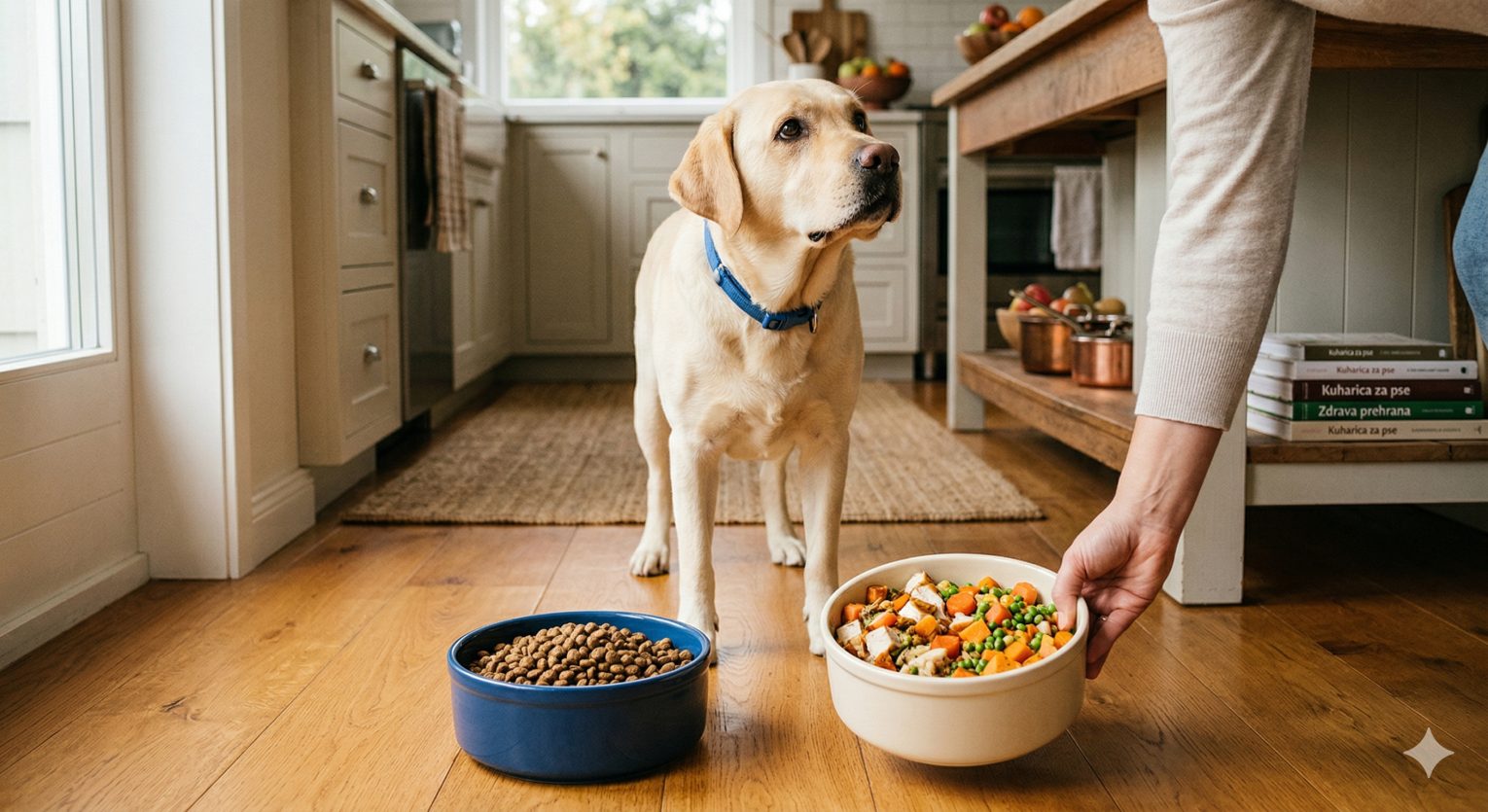
Fresh dog food is made from minimally processed whole ingredients like real meat and vegetables, cooked gently to retain nutrients. Traditional kibble is convenient and affordable but heavily processed. For most dogs, fresh food offers better digestibility—but high-quality kibble remains a solid, budget-friendly choice.
For decades, the sound of dry kibble hitting a metal bowl has been the universal dinner bell for dogs. But in recent years, a massive shift has occurred in pet nutrition. Walk down any pet store aisle or scroll through social media, and you will see a booming trend: fresh dog food delivery.
As pet parents become more conscious of what goes into their dogs’ bodies, many are asking the same question: Is switching from traditional kibble to fresh, human-grade food actually worth the higher price tag?
In this guide, we break down the pros, cons, and nutritional differences between fresh dog food and kibble to help you make the best choice for your furry best friend.
(Want a deeper dive into overall canine diet requirements? Read our complete dog nutrition guide first!)
Table of Contents
What is Traditional Kibble?
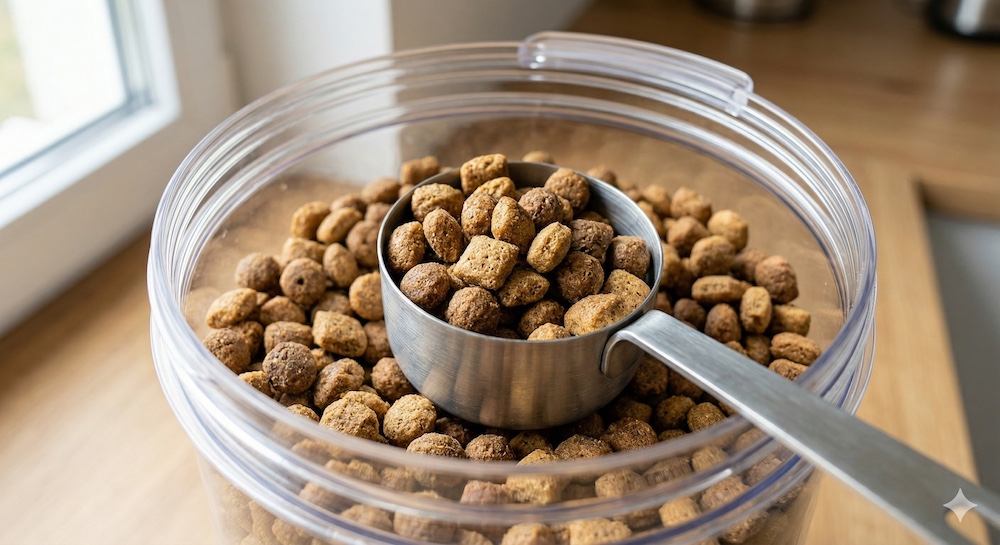
Dry dog food, or kibble, was invented for convenience. It is made by mixing ingredients (meats, grains, vegetables, and vitamins), cooking them at extreme temperatures, and extruding them into the hard, bite-sized shapes we are familiar with.
👍🏼 The Pros of Kibble
| Unmatched Convenience: It is easy to scoop, requires no refrigeration, and travels well. |
| Budget-Friendly: Kibble is by far the most cost-effective way to feed a dog, especially large breeds. |
| Dental Benefits: The crunchy texture can help scrape some plaque off your dog’s teeth (though it shouldn’t replace regular brushing). |
👎🏼 The Cons of Kibble
| Heavy Processing: The high-heat cooking process destroys many of the natural nutrients, which must then be sprayed back on artificially. |
| Hidden Fillers: Lower-quality kibbles often rely on cheap fillers like corn, wheat, or unnamed “meat meals” to boost protein content. |
| Low Moisture: Kibble contains almost zero moisture, meaning your dog must drink significantly more water to stay hydrated. |
📰 The nutrient impact of kibble extrusion is documented in peer-reviewed research. A 2026 study published in the Journal of Animal Physiology and Animal Nutrition (Kocadağlı et al., DOI: 10.1111/jpn.70053) directly compared fresh, kibble, wet, and freeze-dried dog foods and found kibble had 53% greater lysine blockage than fresh food (4.9% vs 3.2%), alongside significantly lower total lysine content (23 g/kg vs 56 g/kg dry matter). This occurs through the Maillard reaction—the same browning process that darkens toasted bread— triggered by extrusion temperatures typically ranging from 212–390°F (100–200°C). Heat-sensitive vitamins are similarly degraded during processing and replaced with synthetic premixes post-production, which is why kibble ingredient lists typically end with a long list of added vitamins and minerals.
👉🏼 If staying on kibble, adding omega-3 supplementation bridges the most significant nutritional gap.
🐾 Purina Pro Plan Dry Dog Food 🐾
🟤 Purina Pro Plan (Dry) — If kibble is your choice, Purina Pro Plan is the strongest research-backed option available—AAFCO feeding trial approved with live probiotics added post-cooking.
What is Fresh Dog Food?
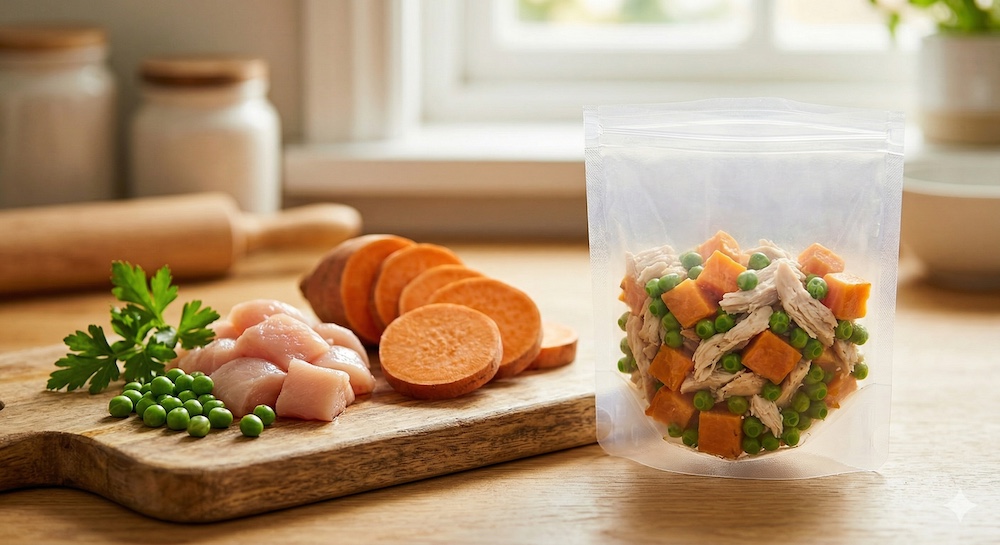
Fresh dog food is exactly what it sounds like: real meat, vegetables, and grains, cooked gently at low temperatures to retain their nutritional value. Leading fresh food brands deliver these meals portioned for your dog’s specific caloric needs, frozen to your door.
👍🏼 The Pros of Fresh Food
| Human-Grade Ingredients: You can actually see the pieces of chicken, carrots, and sweet potatoes. No mystery meats. |
| Highly Digestible: Because it is minimally processed, dogs absorb more nutrients. This often leads to smaller, less smelly stools. |
| Picky Eater Approved: The smell and taste of fresh meat are almost irresistible, making it perfect for senior dogs or notoriously picky eaters. |
| Health Improvements: Many owners report shinier coats, higher energy levels, and relief from food allergies after switching. |
👉🏼 For a complete raw food option with free nationwide delivery, see our Raw Paws Pet Food review.
👎🏼 The Cons of Fresh Food
| The Cost: There is no getting around it—fresh food is a premium product and costs significantly more than kibble. |
| Storage Space: You will need dedicated freezer and fridge space to store the weekly or monthly deliveries. |
| Shorter Shelf Life: Once opened, a pack of fresh food must be consumed within a few days. |
📰 The digestibility advantage of fresh food over kibble is supported by peer-reviewed research. A 2021 study published in Translational Animal Science (DOI: 10.1093/tas/txab071) found that fresh cooked diets showed significantly higher apparent total tract digestibility of protein, fat, and calories compared to extruded kibble— with dogs on fresh diets defecating less frequently and producing substantially less fecal dry matter. A separate study published in the Journal of Animal Science found that dogs fed human-grade fresh food absorbed more nutrients and produced up to 66% less stool volume compared to premium kibble. Both studies are indexed on PubMed.
(🩺 Vet’s Note: “Minimally processed diets tend to have higher bioavailability—meaning dogs absorb more of the nutrients per gram consumed. That said, any food must meet AAFCO standards to be considered complete and balanced”—LovingPetsGuide Veterinary Advisor.)
Want to know what to look for on the label once you’ve chosen fresh or kibble? Our dog nutrition basics guide covers ingredient reading and AAFCO standards explained simply.
🐾 Purina Pro Plan Wet Dog Food 🐾
💧 Purina Pro Plan (Wet) — For owners adding wet food to boost hydration—Purina Pro Plan wet formulas share the same research backing as the dry range and are widely accepted even by picky eaters.
Head-to-Head Comparison
If you are on the fence, here is how the two stack up in the real world:
- Nutrition: Fresh food wins easily. The minimal processing preserves natural vitamins and amino acids.
- Convenience: Kibble is the clear winner for busy owners or frequent travelers.
- Price: Kibble is the most budget-friendly option. Fresh food is an investment in preventative health.
| Category | Fresh Food | Kibble |
|---|---|---|
| Nutrition | ⭐⭐⭐⭐⭐ Excellent | ⭐⭐⭐ Good (varies) |
| Digestibility | ⭐⭐⭐⭐⭐ High | ⭐⭐⭐ Moderate |
| Convenience | ⭐⭐⭐ Moderate | ⭐⭐⭐⭐⭐ Excellent |
| Cost | $$$$ | $–$$ |
| Shelf Life | 3–5 days (opened) | 6–18 months |
| Best For | Health-focused | Budget/busy owners |
The Verdict: Should You Make the Switch?
If you have the budget, upgrading to a fresh food diet is one of the best investments you can make in your dog’s long-term health and longevity. The difference in their coat, energy levels, and digestion is often noticeable within weeks.
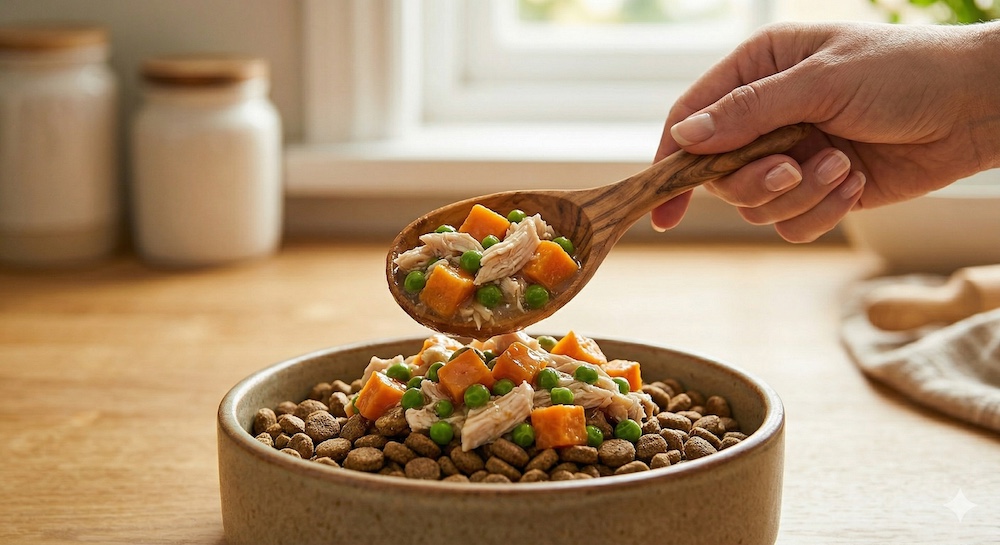
However, if a 100% fresh diet is out of your budget, don’t worry. You don’t have to choose just one. Many owners practice “kibble topping”—mixing a spoonful of high-quality fresh food into their dog’s daily kibble to boost the nutritional value without breaking the bank.
Looking for the highest-quality kibble options on the market? Our complete guide to the best dog food brands covers vet-reviewed picks across every budget. And our guide to evaluating dog food brands covers the WSAVA framework for any commercial food.
Ready to explore fresh food options? Our full dog nutrition guide covers everything you need to choose the right diet for your dog’s life stage and health needs.
Not sure how often to feed your dog once you’ve chosen a food? Our dog feeding schedule by age covers the exact routine for puppies, adults, and seniors.
Does your dog have a sensitive stomach? Our guide to the best dog food for sensitive stomachs covers vet-reviewed picks for every budget and digestive issue.
Is your dog begging for a taste of your dinner? Our guide to human foods dogs can and can’t eat covers a complete, vet-reviewed safety checklist for every kitchen staple.
🐾 Raw Paws Dog Food Toppers 🐾
🍛 The easiest way to practice “kibble topping” without a full diet switch. Real meat, no fillers, USDA-inspected, sourced from Indiana farms. 15% off 1st Auto Ship + 5% off future orders.
📝 Editor’s Note: Regardless of format—fresh, kibble, or a combination—the non-negotiable standard is AAFCO nutritional adequacy, verified at aafco.org. Both fresh and dry food can carry the “complete and balanced” label, but only those with feeding trial data (rather than formulation only) have been tested on actual dogs to verify real-world nutritional outcomes. When researching this guide, I verified the digestibility studies cited above directly on PubMed and cross-referenced the fresh food digestibility findings with the published research pages of both The Farmer’s Dog and JustFoodForDogs at thefarmersdog.com and justfoodfordogs.com.

🐕 Browse dog food, treats, toys, health products, supplements, grooming and everything else your dog needs 🐾

🐕 Browse raw dog food, freeze-dried meals, chews, bones and natural treats from Indiana farms 🐾

🐕 Browse science-backed dry dog food, wet food, breed-specific formulas, and veterinary diets for your canin 🐾
(This post contains affiliate links. If you purchase through our links, we may earn a small commission at no extra cost to you. This never influences our editorial opinions.)
FAQ – Fresh Dog Food vs Kibble
What is fresh dog food?
Fresh dog food is made from minimally processed, whole ingredients like real meat, vegetables, and healthy fats. It’s often cooked at low temperatures and delivered refrigerated or frozen.
Is fresh dog food healthier than kibble?
Fresh food can be more nutritious due to fewer preservatives and higher-quality ingredients. However, high-quality kibble can also provide complete and balanced nutrition.
Is kibble bad for dogs?
No, kibble is not inherently bad. Many reputable brands meet all nutritional standards and are perfectly safe for daily feeding.
Why is fresh dog food more expensive?
Fresh dog food costs more because of higher ingredient quality, preparation methods, and cold-chain delivery.
Do dogs digest fresh food better than kibble?
Many dogs digest fresh food more easily, which can lead to smaller stools, better nutrient absorption, and less bloating.
Can I mix fresh food with kibble?
Yes, mixed feeding is a popular option. It can improve taste and nutrition while keeping costs more manageable.
Will switching to fresh food improve my dog’s health?
Some dogs show improvements in coat quality, energy levels, and digestion, but results vary depending on the dog and diet quality.
Is fresh dog food safe?
Yes, if it’s properly prepared and balanced. Always choose trusted brands or consult a vet when preparing meals at home.
How do I transition from kibble to fresh food?
Gradually introduce fresh food over 7–10 days by slowly increasing the fresh portion while reducing kibble.
Is fresh dog food worth the upgrade?
It depends on your budget and your dog’s needs. Fresh food offers potential health benefits, but high-quality kibble remains a convenient and reliable option.